by Eusella Hodson-Whittle | Oct 5, 2026 | INNS, Japanese Knotweed, Site Clearance
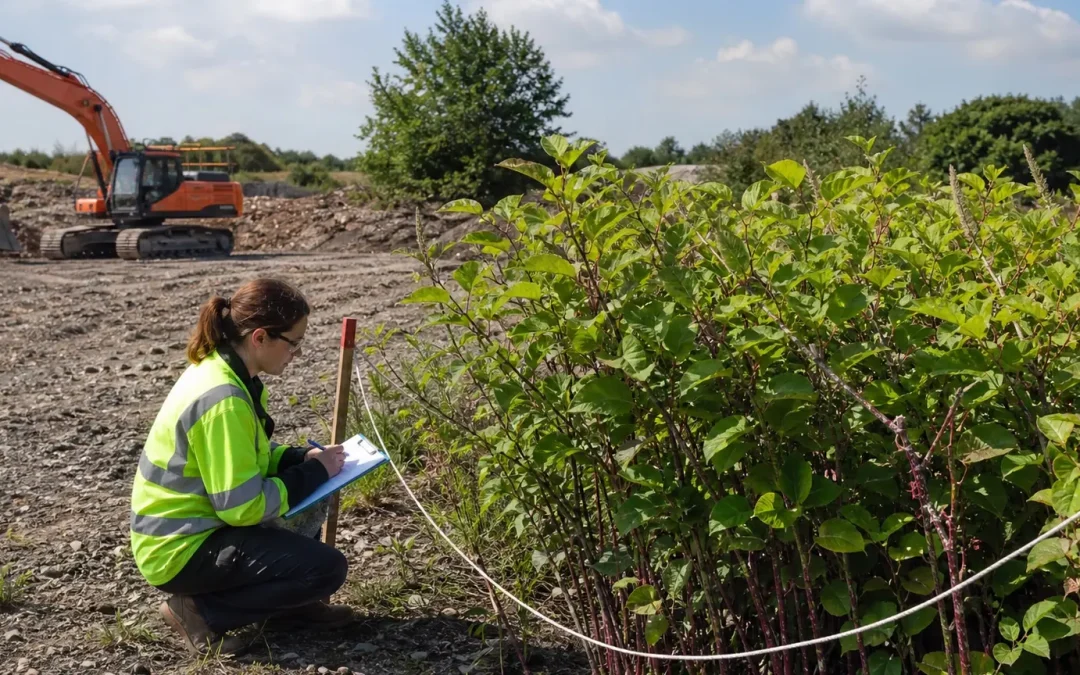
Site clearance creates momentum. Machines arrive, vegetation is reduced and the development footprint begins to take shape. If invasive non-native species are present, however, starting disturbance before their extent is understood can move viable plant material into...
by Eusella Hodson-Whittle | Sep 5, 2026 | Japanese Knotweed, Residential
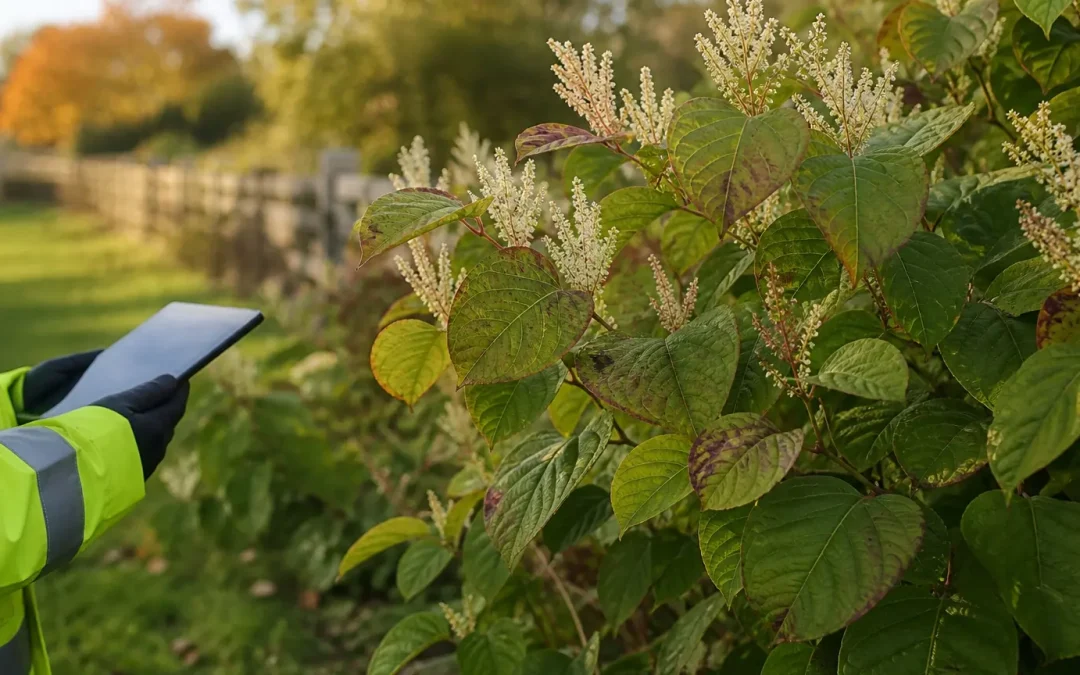
By September, Japanese knotweed has usually reached mature height and may carry sprays of small creamy-white flowers. The stand is often easier to see as a whole than it was in spring, which makes early autumn a useful time to photograph, map and assess suspected...
by Eusella Hodson-Whittle | Aug 5, 2026 | Japanese Knotweed, Residential
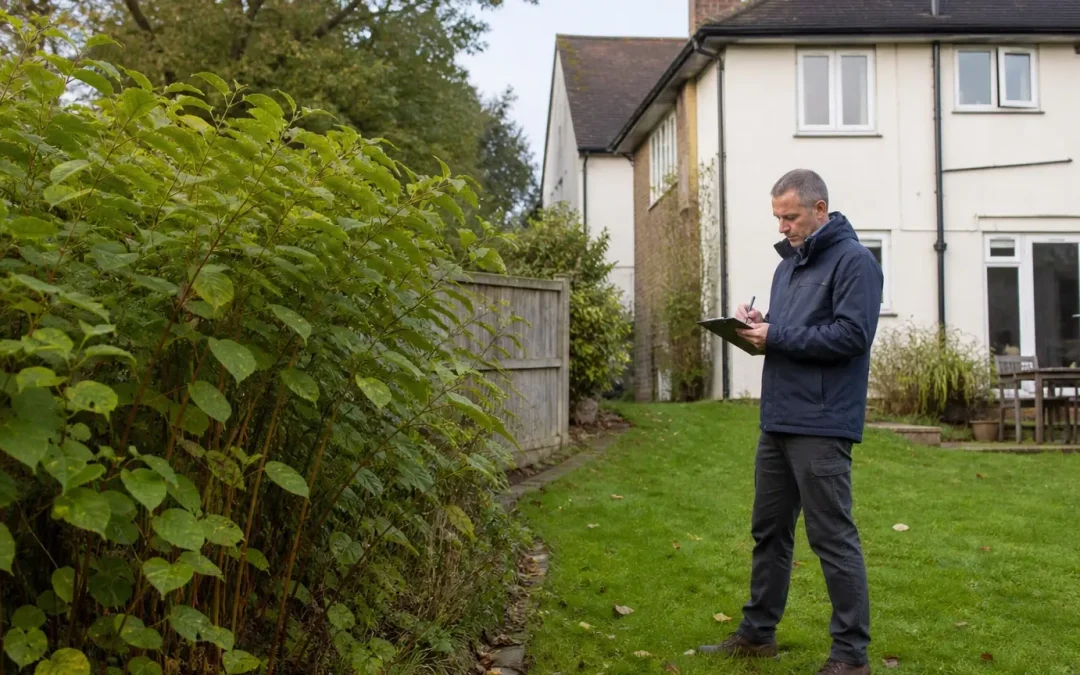
The words “Japanese knotweed” in a survey can make a property purchase feel as though it has stopped. In practice, the next step is to replace uncertainty with clear information. The presence of knotweed does not create one automatic lending, value or...

by Eusella Hodson-Whittle | Jul 5, 2026 | Japanese Knotweed, Residential
Japanese knotweed does not die back on the same date across the UK. After autumn colour and frost, its leaves fall and its green stems become dry brown canes; in milder areas, some stands may still retain leaves in early November. Whether the top growth is green or...
by Eusella Hodson-Whittle | Jul 5, 2026 | INNS, Residential
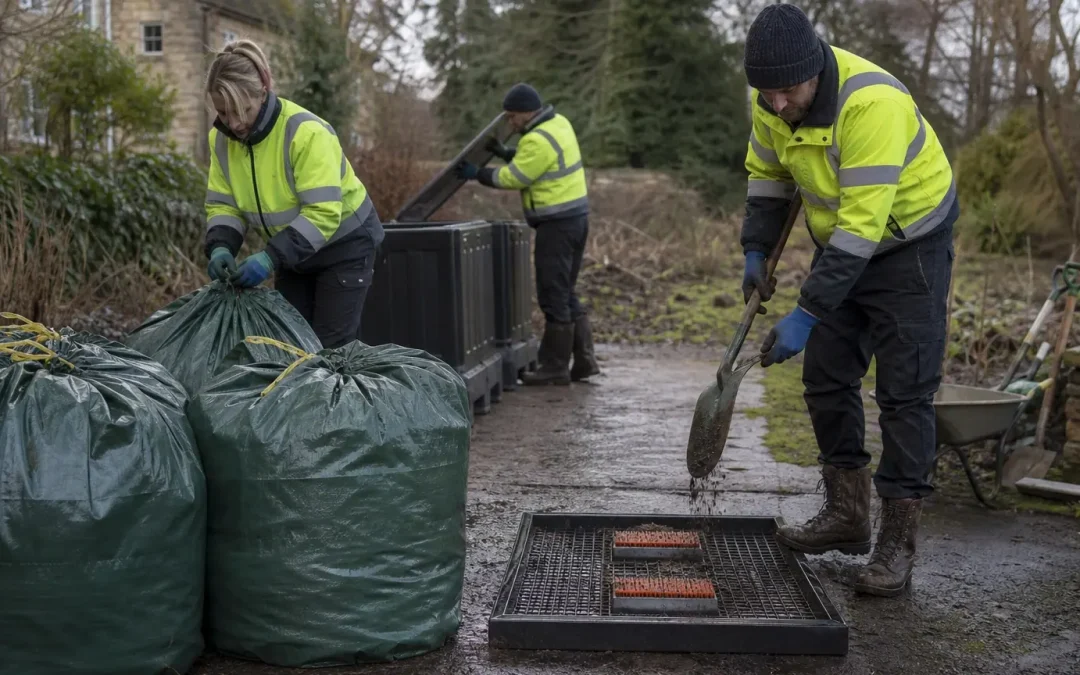
Invasive plant waste disposal deserves the same care as treatment. December often brings a final round of garden and site clearance: dead stems are cut back, leaves are collected and stored materials are moved before the new year. With invasive plants, the...

Recent Comments