
Japanese Knotweed Myths
Breaking down the myths and facts surrounding Japanese Knotweed

The Myths of Japanese Knotweed – Most of Us Have Seen the Hype!
Triffid
Spreads like wildfire
Regenerates from 0.7g
Grows through concrete
Japanese Knotweed Myths - Triffid
The truth is that Japanese Knotweed (also known as Asian Knotweed or Fallopia Japonica) obeys the laws of science and creation, not science fiction! As with any plant, it must have water, nutrients and must open up its leaves to carry out photosynthesis to survive and grow.
The Japanese Knotweed plant, if not controlled, can create a dense blanket effect choking out other native plant species.
Japanese Knotweed Spreads Like Wildfire
The impressive upward Spring growth of Japanese Knotweed, 0-3 meters high in 6 weeks is supported by a large mass of below-ground rhizome that has probably taken 20, 50 or more years to form. Questioning older residents neighbouring a Knotweed infested site often confirms this with comments such as “Our children played in that stuff 30 years ago. It was pretty much the same then as it is now.”
Rapid spread over a large area is, almost always, man-made by the movement of material containing Knotweed.
3 meters deep? Yes, occasionally, but generally Knotweed has proved to an average depth, in natural ground, of 1 – 2 meters deep with occasional deeper penetration by single rhizomes.
In very well established Knotweed, the rhizome may sometimes form a longitudinal matrix at the deeper points (we have found this on about 1 in 100 sites we have dug).
Either way, Knotweed clearly demonstrates a disinclination to penetrate through certain types of clay or below ground strata’s. This seems to be the governing factor for the depth penetration, Knotweed is not found below a water table. An upward variation in a water table will cause rhizome to rot.
In made up ground, Japanese Knotweed can often be found at greater than normal depths, probably introduced to the deeper locations with contaminated fill material and then grown up through successive layers placed on top.
Japanese Knotweed can regenerate from 0.7 of a gram
Amazing? Not really.
Millions of new ornamental plants are commercially produced each year by micropropagation from very small sections of plants of far less vigour than Japanese Knotweed. There are many other rhizomatous plants and weeds which in Nature will produce new plants from small fragments in broken up soils.
A piece of buried Knotweed rhizome must from the finite energy stored in this piece, produce a stem that will reach to the ground surface. Then, as seen above, open up leaf and photosynthesis before it runs out of stored energy, where if it does, there can be no more cell division, no more growth, and imminent death of the entire entity will result.
Japanese Knotweed Myths - It can grow through concrete and foundations
It does not grow through concrete!
It does grow through existing fractures or voids in concrete and will, if ignored for years, cause heave and add to fractures. Likewise, it will take advantage of voids formed by the contraction of soil and subsoil away from retaining structures in dry conditions and will then add to the pressure when wet soil expands.
Thought…how could a root barrier membrane that you can drive a garden fork through, if you tried reasonably hard, stop a plant that is claimed can grow through concrete?

April Alert: What to Do When You Spot the First Knotweed Shoots
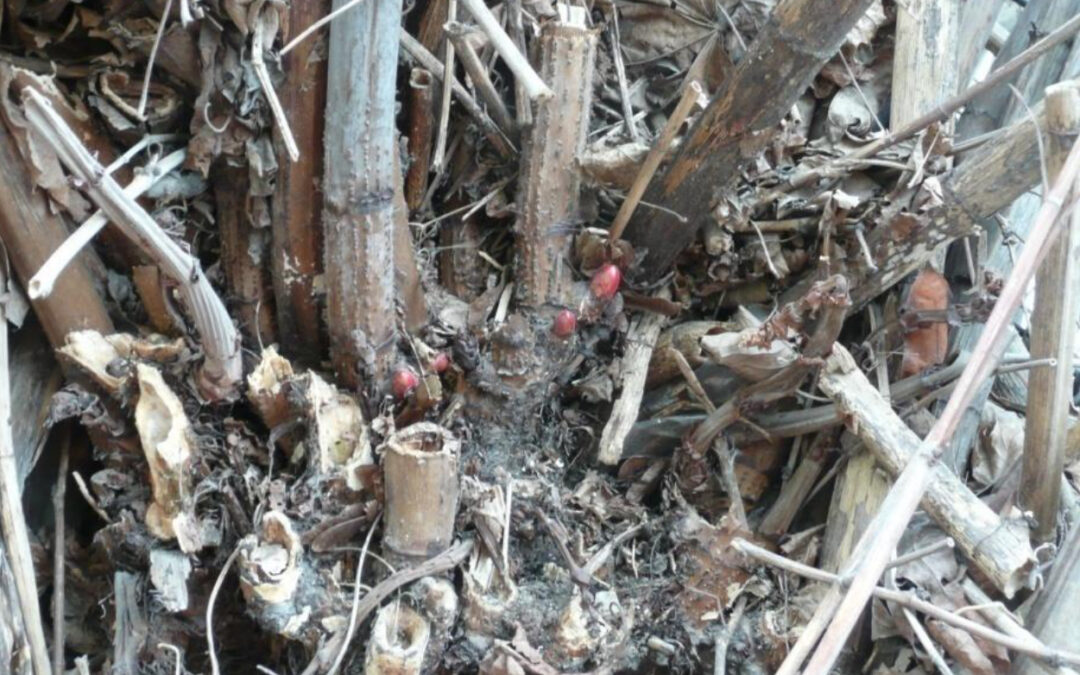
April is when many gardens properly come back to life. Lawns start growing again, borders fill out, and the first strong signs of spring appear across the UK. It’s also a key month for Japanese Knotweed, because this is typically when new shoots begin to emerge clearly and growth starts accelerating.
Spring is Coming: How to Check Your Property for New Knotweed Growth
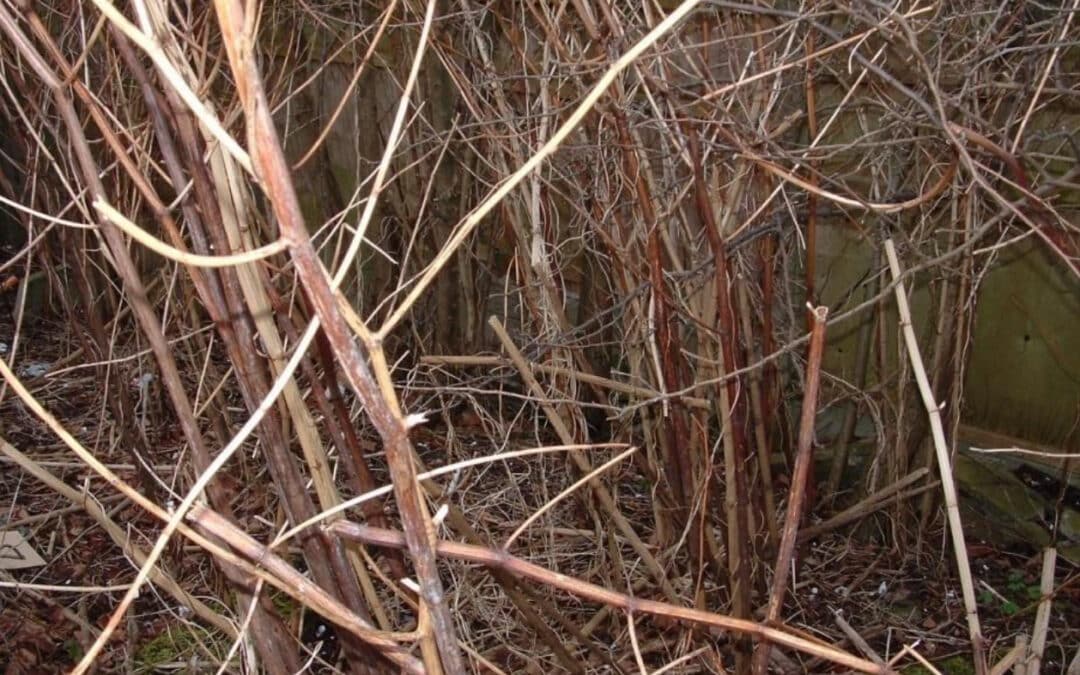
March is the month when gardens begin to wake up. Days get longer, temperatures start to lift, and the first signs of spring appear across lawns, borders and hedgerows. It’s also the time of year when Japanese Knotweed starts to re-emerge,
The Role of Invasive Species in Biodiversity Loss and How You Can Help
February marks the tail end of winter, a time when nature begins preparing for spring renewal. Beneath the surface, native British wildflowers are developing root systems, early pollinators are emerging, and ecosystems are readying themselves for the growing season ahead.
Winter Management: What Happens to Knotweed in Cold Weather?
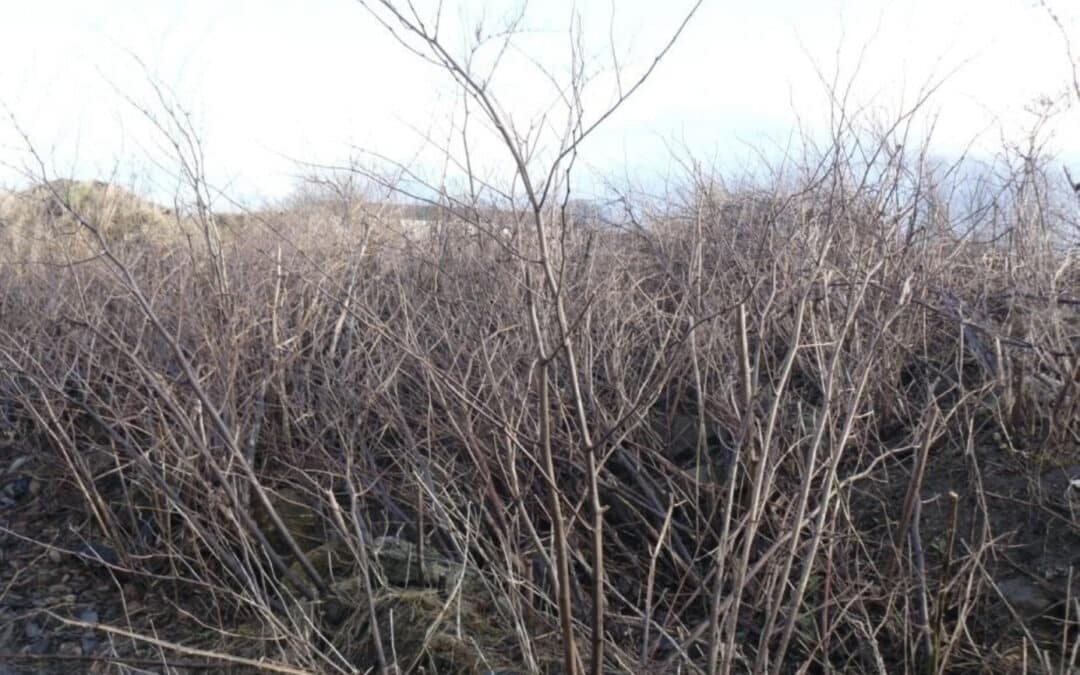
January often brings a welcome pause in garden growth, with lawns slowing down, borders looking bare, and many invasive plants seemingly disappearing.
How to Plan Ahead: Booking Your Knotweed Survey for the New Year
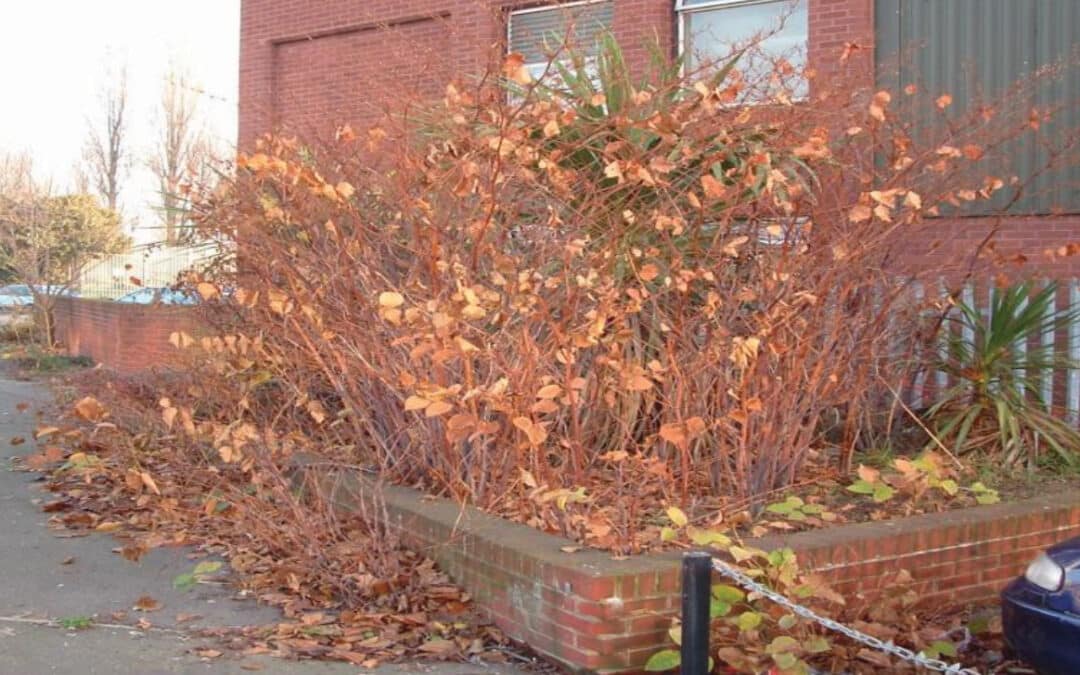
As December arrives and we prepare for the festive season, thoughts naturally turn to New Year resolutions and fresh starts. While Japanese Knotweed remains dormant beneath winter’s frost, savvy property owners know that now is the perfect time to plan ahead.
The Cost of Ignoring Invasive Plants: Fines, Property Damage & Legal Issues
As November’s chill sets in and Japanese Knotweed retreats into winter dormancy, many property owners breathe a sigh of relief, believing the problem has disappeared until spring.

Japanese Knotweed Myths & Facts: Separating Truth from Fiction
As October’s autumn colours begin to emerge and Japanese Knotweed enters its final active growth phase before winter dormancy, we encounter more questions and misconceptions about this infamous plant than at any other time of year.
Preparing for Winter: How to Manage Knotweed & Other Invasive Plants in Autumn
As September arrives and the first hints of autumn appear across the UK, many homeowners assume that Japanese Knotweed and other invasive plants are no longer a concern until spring returns.

DIY vs. Professional Japanese Knotweed Removal: What Actually Works?
As July arrives and Japanese Knotweed reaches its full summer vigour across the UK, many homeowners are tempted to tackle this invasive plant themselves.

How Invasive Plants Affect Property Value & What You Can Do About It
As we reach the height of summer, Japanese Knotweed and other invasive plants are now in full growth across the UK. At Elcot Environmental, we regularly work with homeowners, estate agents, and property developers who are dealing with the financial implications of these unwelcome visitors.