
Winter Management: What Happens to Knotweed in Cold Weather?

Typical Knotweed stems during winter
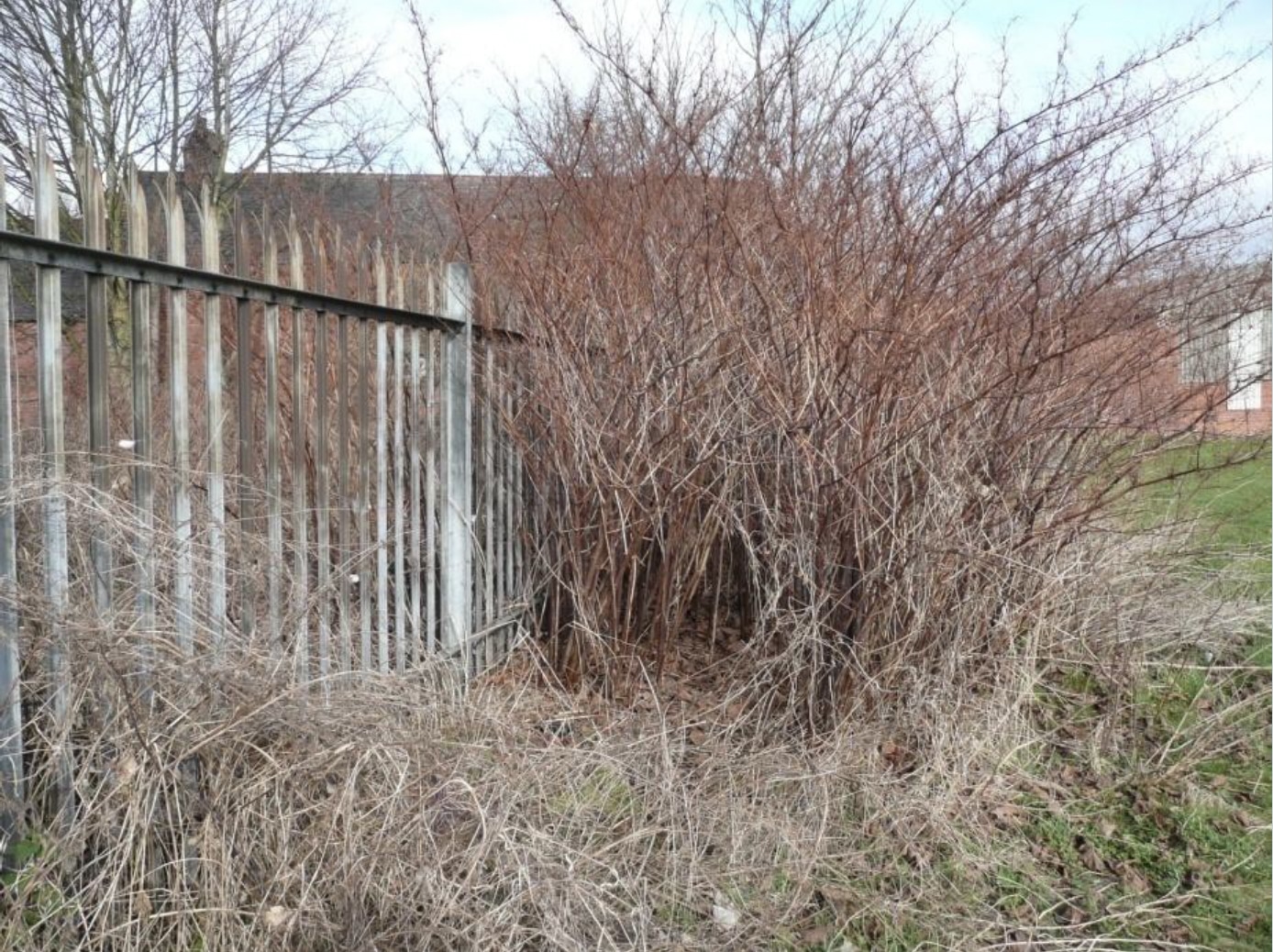
Knotweed stems with desiccated flower sets
January often brings a welcome pause in garden growth, with lawns slowing down, borders looking bare, and many invasive plants seemingly disappearing.
This can lead property owners to assume that Japanese Knotweed has “gone away” too. In reality, winter is simply the quiet phase of the knotweed lifecycle, and what you can’t see above ground may still be very active below it.
Understanding how knotweed behaves in cold weather is useful for homeowners, landlords, developers and facilities managers alike, especially if you’re planning property works, a sale, or treatment in the year ahead.
Does Japanese Knotweed Die Back in Winter?
Japanese Knotweed is a hardy perennial plant, meaning it naturally dies back above ground as temperatures drop. Once frost arrives, the green canes and leaves typically wither, collapse and turn brown, leaving brittle stems that may remain standing through winter.
This is normal seasonal behaviour and not a sign that the plant has been eradicated. The visible growth is only part of the problem, and the real risk sits underground.
What Happens Underground During Cold Weather?
While the top growth dies off, the rhizome system (the underground network that fuels knotweed) remains alive. It stores energy through late summer and autumn, then sits dormant during the colder months ready to push up new shoots when spring conditions return.
Because rhizomes can spread laterally and persist for years, winter is best seen as a “pause button,” not an end point. This is why knotweed often appears to vanish in December and January, only to re-emerge strongly in March or April.
Can You Still Treat Knotweed in Winter?
In most cases, winter is not the main treatment season for herbicide applications, because knotweed is dormant and isn’t actively transporting nutrients through the plant. Herbicide treatments are usually most effective when the plant is growing and drawing resources down into the rhizomes, typically from late spring through autumn.
However, that doesn’t mean winter is wasted time. Winter is often the ideal period for planning, surveying and preparing a treatment programme so you can act promptly when growth starts again.
Why Winter Can Be the Best Time to Plan Management
Even if knotweed isn’t actively growing, January is still a smart time to get ahead. When spring arrives, demand for surveys and treatment slots increases quickly, particularly for property transactions and construction projects.
Planning in winter gives you time to make informed decisions without pressure. It also allows you to align treatment schedules with other priorities, such as landscaping, groundwork, extensions, or planned sales and purchases.
What You Should Do if You Suspect Knotweed in Winter
Winter dieback can make knotweed harder to spot, but there are still clues a trained specialist can identify. Dry hollow canes, crown growth points at ground level, and old stands from previous seasons may remain visible. Importantly, disturbed ground is also a risk factor; digging or landscaping without confirmation can spread contaminated soil and make future treatment more complex and expensive.
If you suspect knotweed, avoid cutting, strimming, or removing material from site. The best next step is to arrange a professional inspection so you know exactly what you’re dealing with and can plan the right approach before spring.
Looking Ahead: Getting Ready for Spring Treatment
Spring is when knotweed reappears and when treatment can begin at the most effective point in the plant’s cycle. By arranging your survey and management plan in January, you can move straight into action as soon as growth starts without waiting weeks for availability.
This is particularly important if you are:
- Planning to sell a property this year
- Buying a property and need peace of mind before exchange
- Managing a site with ongoing maintenance responsibilities
- Preparing for development or groundwork where contaminated soil could delay works
Speak to Elcot Environmental This Winter
Winter is the perfect time to prepare for spring—speak with our team about treatment options now. Elcot Environmental can advise on the most suitable route for your property, whether that is a monitored herbicide programme, excavation support, or a plan designed to meet mortgage and legal requirements.
If you’d like to get ahead before the spring rush, contact us today:
Winter is the perfect time to prepare for spring, speak with our team about treatment options now!
Get a quote
Request a quote for Residential Knotweed Removal - Serving Your Local Area