
The Cost of Ignoring Invasive Plants: Fines, Property Damage & Legal Issues

The Knotweed leaves start to turn yellow
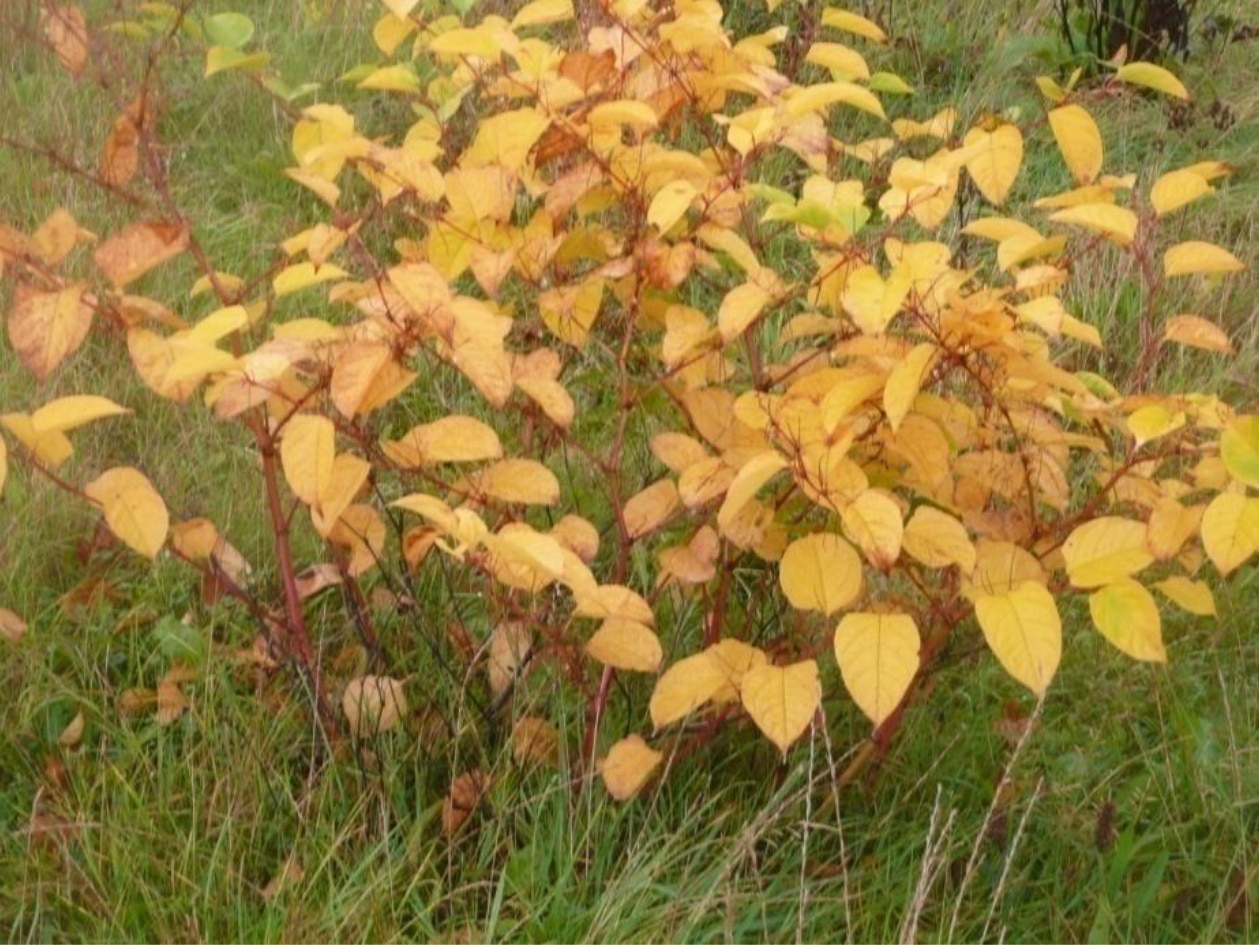
The Knotweed shuts down for winter
As November's chill sets in and Japanese Knotweed retreats into winter dormancy, many property owners breathe a sigh of relief, believing the problem has disappeared until spring.
At Elcot Environmental, we know this seasonal reprieve is deceptive. The legal and financial consequences of ignoring invasive plants don’t hibernate with the vegetation—they continue to accumulate, often with devastating results for unprepared property owners.
The Legal Landscape: A Complex Web of Liability
The UK’s approach to invasive plant control involves multiple pieces of legislation, creating a complex legal framework that catches many property owners off-guard:
Primary Legislation
Wildlife and Countryside Act 1981
– Makes it an offence to plant or cause Japanese Knotweed to grow in the wild
– Maximum penalty: £5,000 fine and/or 6 months imprisonment
– Strict liability offence—intent is not required for prosecution
Environmental Protection Act 1990
– Classifies knotweed-contaminated soil as controlled waste
– Requires licensed disposal at approved facilities
– Breach penalties: Unlimited fines under recent sentencing guideline changes
Anti-Social Behaviour, Crime and Policing Act 2014
– Allows local authorities to issue Community Protection Notices for invasive plant problems
– Fixed penalty notices of £100-£2,500 for individuals, £20,000 for businesses
– Breach of notice can result in prosecution and unlimited fines
Common Law Liability
Beyond statutory offences, property owners face civil liability:
– Private nuisance claims from neighbouring properties
– Diminution in value claims from affected buyers
– Professional negligence claims against advisors who fail to identify problems
– Breach of covenant in leasehold properties with maintenance obligations
Real-Life Legal Cases: When Ignorance Proves Expensive
Court records reveal the genuine financial impact of ignoring invasive plant problems:
Network Rail Infrastructure Ltd v Williams & Waistell (2018)
Background: Knotweed spread from residential property onto railway land
Outcome: £56,000 damages awarded plus legal costs
Key Learning: Property owners liable for spread to neighbouring land regardless of original source
Financial Breakdown:
– Remediation costs: £38,000
– Professional fees: £12,000
– Legal costs: £18,000
– Total liability: £68,000
Davies v Bridgend County Borough Council (2017)
Background: Council failed to manage knotweed on adjacent land, affecting residential property value
Outcome: £20,000 damages for diminution in property value
Key Learning: Public bodies also face liability for inadequate invasive plant management
Ryan v Denbighshire County Council (2021)
Background: Knotweed spread from council land caused structural damage to residential property
Outcome: £45,000 settlement including remediation and property damage
Key Learning: Damages can include both treatment costs and consequential property damage
Commercial Case: Supperstone v Hurst (2019)
Background: Knotweed discovered during commercial property sale
Outcome: £150,000 reduction in sale price plus £25,000 legal costs
Key Learning: Commercial property transactions face enhanced liability exposure
Enforcement Action: Local Authority Powers
Local authorities across the UK are increasingly using their enforcement powers:
Community Protection Notices (CPNs)
Recent CPN cases include:
Cardiff Council (2020)
– £2,500 fixed penalty for residential knotweed spreading to public footpath
– Additional £8,000 prosecution costs when notice was ignored
Waltham Forest Council (2021)
– £20,000 penalty notice issued to commercial property owner
– Knotweed affecting neighbouring residential properties and council land
Birmingham City Council (2022)
– £15,000 enforcement action against landlord
– Multiple tenanted properties affected by single infestation
Prosecution Statistics
Environment Agency data shows increasing enforcement:
– 2019: 12 successful prosecutions, average fine £3,200
– 2020: 18 successful prosecutions, average fine £4,800
– 2021: 24 successful prosecutions, average fine £6,500
– 2022: 31 successful prosecutions, average fine £8,200
Unlimited Fines: The New Reality
Since 2015, magistrates’ courts can impose unlimited fines for environmental offences:
Recent High-Profile Cases:
– Waste company, Yorkshire (2021): £45,000 fine for improper knotweed disposal
– Property developer, London (2022): £38,000 fine for causing spread during construction
– Landlord, Manchester (2021): £28,000 fine for ignoring enforcement notice
Insurance Implications: When Policies Don’t Protect
Many property owners discover too late that insurance doesn’t cover invasive plant problems:
Standard Exclusions
Most household insurance policies exclude:
– Gradual damage from slowly developing plant growth
– Pre-existing conditions including undisclosed infestations
– Third-party liability from spread to neighbouring properties
– Diminution in value claims from property buyers
Commercial Insurance Gaps
Business insurance often excludes:
– Environmental liability from invasive plant spread
– Business interruption caused by enforcement action
– Professional indemnity for inadequate due diligence
– Directors’ liability for corporate environmental offences
Case Study: Insurance Denial
A Berkshire homeowner faced £35,000 in legal costs and damages when knotweed spread to neighbouring properties. Their household insurance denied the claim because:
– Knotweed was present when the policy was taken out (pre-existing condition)
– Spread occurred gradually over several years (gradual damage exclusion)
– No accidental damage trigger event occurred
The True Cost of Delay: A Financial Analysis
Delaying invasive plant treatment creates escalating costs:
Direct Treatment Costs
Year 1 Discovery: Small infestation, £2,000-4,000 treatment cost
Year 3 Delay: Medium infestation, £6,000-12,000 treatment cost
Year 5 Delay: Large infestation, £15,000-30,000+ treatment cost
Indirect Financial Impact
Property Transaction Costs:
– Sale delays: £500-2,000 per month in carrying costs
– Price reductions: 5-15% of property value
– Legal fees: £3,000-8,000 for complex transactions
– Survey costs: £1,500-3,000 for specialist assessments
Mortgage Complications:
– Specialist lenders: 0.5-2% higher interest rates
– Larger deposits: Additional 10-25% deposit requirements
– Reduced lending: 70-80% LTV vs standard 90-95%
Regional Enforcement Variations
Enforcement activity varies significantly across the UK:
High-Activity Areas
London Boroughs: Average 2.3 enforcement actions per 10,000 properties annually
– Waltham Forest: Most active with 47 actions in 2022
– Croydon: 31 actions, focusing on commercial properties
– Hounslow: 28 actions, targeting transport corridors
Welsh Councils: Enhanced powers under devolved legislation
– Cardiff: £180,000 in penalties issued 2020-2022
– Swansea: Specialist enforcement team established 2021
– Newport: Joint enforcement with Natural Resources Wales
Northern England: Industrial legacy areas seeing increased activity
– Manchester: 19 prosecutions 2020-2022
– Liverpool: Focus on dock and brownfield sites
– Sheffield: Targeting riverside development areas
Enforcement Trends
Data shows enforcement is increasing:
– 2019-2022: 340% increase in formal enforcement actions
– Average penalties: Rising from £2,100 to £6,800
– Prosecution success rate: 94% of contested cases result in conviction
– Repeat offenders: Face enhanced penalties under environmental sentencing guidelines
Liability in Property Transactions
Property sales involving invasive plants create complex liability issues:
Vendor Liability
Property sellers face ongoing liability:
– Misrepresentation claims for incorrect TA6 disclosures
– Negligent misstatement liability lasting up to 6 years
– Breach of contract for undisclosed problems
– Continuing liability even after successful sale completion
Professional Liability
Property professionals also face exposure:
– Surveyors: £15,000-50,000+ claims for missed infestations
– Estate agents: Liability for inadequate disclosure advice
– Solicitors: Professional negligence for poor transaction handling
– Mortgage brokers: Liability for inappropriate lending advice
Commercial and Development Risks
Business properties face enhanced liability:
Corporate Criminal Liability
Companies can face:
– Unlimited fines under environmental legislation
– Director disqualification for serious environmental offences
– Corporate manslaughter charges if safety breaches cause death
– Regulatory sanctions affecting operating licences
Development Site Risks
Construction projects face particular exposure:
– Planning delays: 6-18 month delays for unexpected invasive plant discoveries
– Cost escalation: £50,000-200,000+ for major site remediation
– Contract disputes: Liability allocation between developers, contractors, and landowners
– Insurance disputes: Coverage gaps for environmental contamination
Don’t Risk Costly Fines
The legal and financial consequences of ignoring invasive plants are real, substantial, and increasing. With enforcement activity rising, penalties escalating, and civil liability expanding, property owners can no longer afford to take a “wait and see” approach.
Call us on 01962 886210 or complete our [online contact form](https://elcotenviro.com/contact/) to schedule a professional Knotweed assessment now.
At Elcot Environmental, we understand that early intervention is always more cost-effective than reactive response to legal action. Our comprehensive assessment and management services provide the protection you need to avoid becoming another costly legal case study.
Don’t let ignorance become an expensive mistake—take action now to protect your property and your finances.
Get a quote
Request a quote for Residential Knotweed Removal - Serving Your Local Area