
Selling This Summer? How Knotweed Affects Mortgages, Surveys and Buyer Confidence

Thinking about selling this spring?

Japanese Knotweed Green Stalks and Leaves
May is one of the busiest months for the UK property market. Gardens look their best, daylight hours are long, and many homeowners aim to agree a sale in time for a summer move.
But May is also when Japanese Knotweed is actively growing and if it’s present (or even suspected), it can quickly become a major issue during viewings, surveys and mortgage applications.
The good news is that knotweed doesn’t have to stop a sale. What matters most is clear identification, the right paperwork, and an appropriate management plan that gives buyers and lenders confidence.
Why Knotweed Causes Problems During a Sale
Japanese Knotweed is viewed as a risk because it can spread, it can be expensive to treat, and it raises questions about long-term management. Even when the actual impact on buildings is limited, the perceived risk can cause delays, renegotiations, or buyers withdrawing entirely, especially if there is no professional documentation in place.
In many cases, the biggest problem isn’t the knotweed itself. It’s the uncertainty around it.
What Mortgage Lenders Typically Look For
If knotweed is identified (or suspected) during the valuation process, many lenders will require evidence that the situation is being managed properly before they will release funds. While requirements vary, lenders commonly expect:
- A professional knotweed survey/report confirming identification and extent
- A treatment/management plan from a competent contractor
- Evidence that the contractor is appropriately accredited/insured
- An insurance-backed guarantee (IBG) where applicable, often for a 10-year period
- Clear documentation that can be passed to a future owner
If any of this is missing, the lender may request further information, impose conditions, retain funds until works begin, or in some cases decline the mortgage entirely—creating immediate pressure on the whole chain.
What Solicitors and Conveyancers Need (and Why Paperwork Matters)
Even if a buyer is willing to proceed, solicitors need clarity to ensure proper disclosure and avoid future disputes. Knotweed often becomes a focus point because it intersects with:
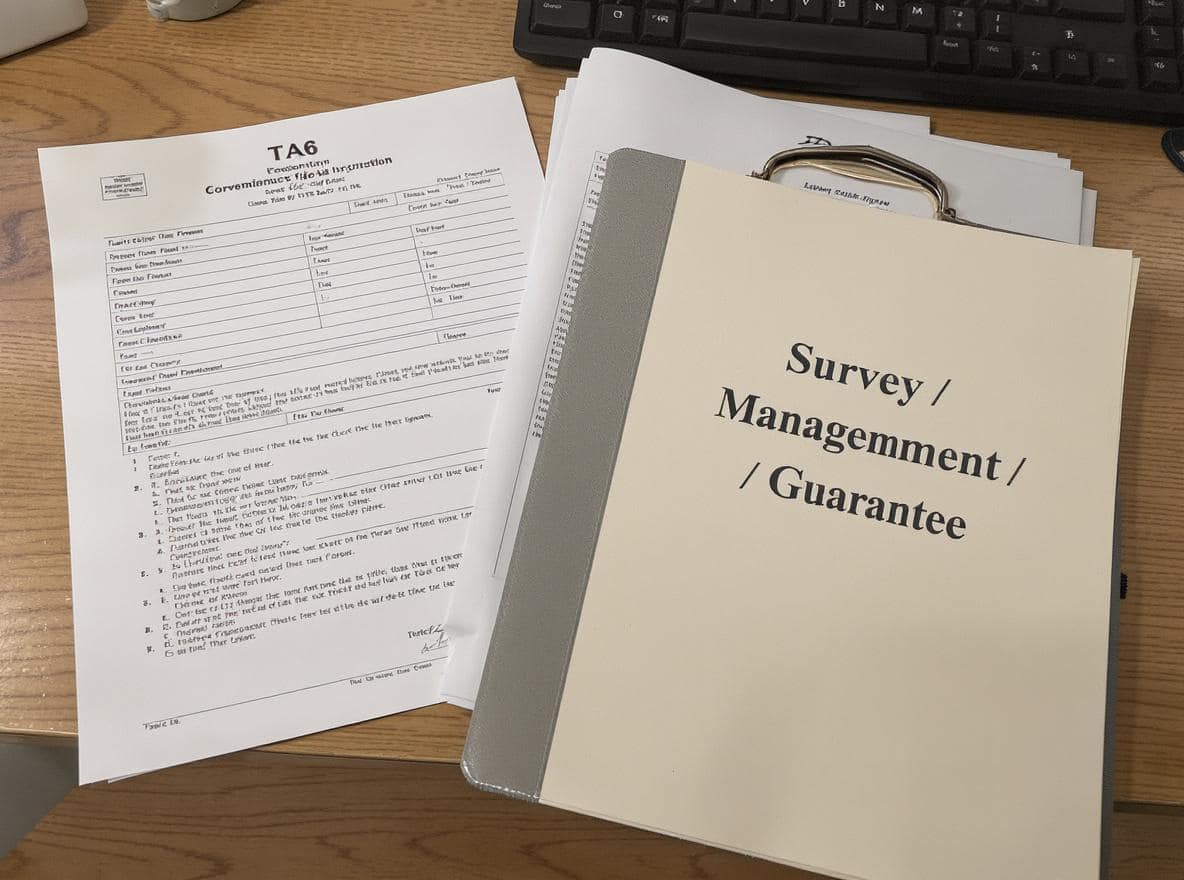
The TA6 Property Information Form (where sellers must disclose known issues).
- Treatment history (if the property has been managed previously)
- Boundary responsibility (particularly if the plant appears to originate from neighbouring land)
- Ongoing obligations (monitoring visits, treatment schedules, access agreements)
A well-prepared professional report and management plan makes the legal process smoother. It allows questions to be answered quickly and reduces the risk of last-minute surprises that can derail exchange.
The Buyer Confidence Factor
Buyers are understandably cautious. Even if they love the property, knotweed can introduce doubt, especially when they read alarming headlines online. Common buyer concerns include:
“Will I be able to get a mortgage?”
“Will it affect resale value?”
“How long does treatment take, and will I need to keep paying for it?”“Is it coming from next door, and will it return?”
This is where professional documentation makes a real difference. A clear survey, a structured treatment plan, and an insurance-backed guarantee give buyers reassurance that:
The issue has been identified properly.
A responsible solution is already in place.
There is long-term protection and accountability.
How a Management Plan and IBG Help Keep Sales Moving
A professional management plan shows that knotweed is being handled in a controlled, evidence-based way. It typically outlines the extent of growth, the recommended treatment approach, expected timelines, and monitoring requirements.
Where appropriate, an insurance-backed guarantee (IBG) provides an additional layer of confidence by offering long-term cover and reassurance for future owners and mortgage lenders. This can be the difference between a sale that stalls and a sale that progresses smoothly.
The most important factor is timing. Starting the process early in the selling season reduces delays and gives you options.
What to Do if You’re Selling This Summer
If you’re planning to sell and you suspect knotweed—or you know it has been present before—May is an ideal time to act. Steps that can help protect your sale include:
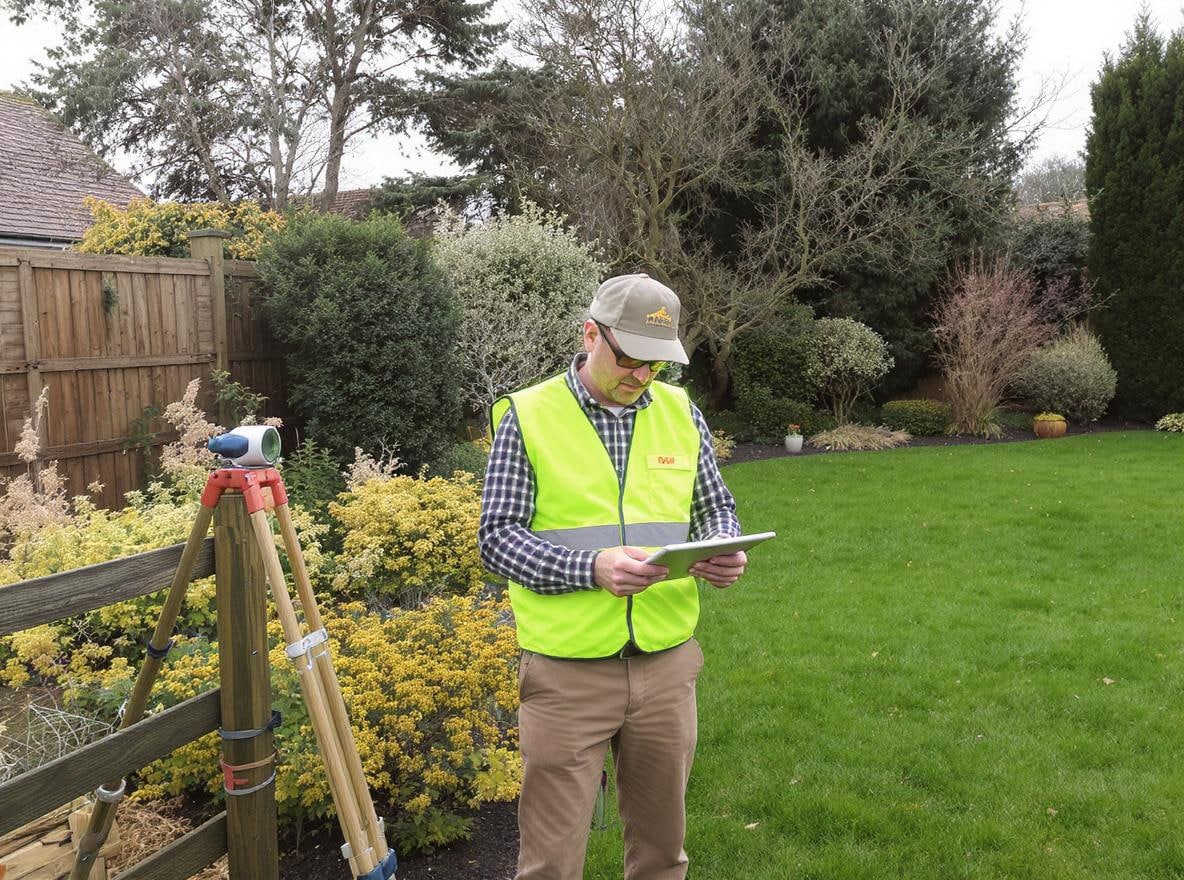
Arranging a professional knotweed survey as early as possible.
Putting an appropriate management plan in place before a buyer asks for it.
Keeping all documentation organised and ready to share with solicitors.
Avoiding DIY attempts, digging, or cutting that could worsen spread or create disposal issues.
Being proactive rather than reactive is usually what keeps a transaction on track.
Planning a Sale? Get Ahead Now
If you want to sell this summer, don’t wait for a mortgage valuation or a buyer’s survey to bring knotweed into the conversation. Getting the right documentation in place early can protect your timeline, reduce stress, and improve buyer confidence.
Planning a sale? Get a Knotweed survey and management plan in place early.
Call: 01793 700100
Get a quote
Request a quote for Residential Knotweed Removal - Serving Your Local Area