
Preparing for Winter: How to Manage Knotweed & Other Invasive Plants in Autumn
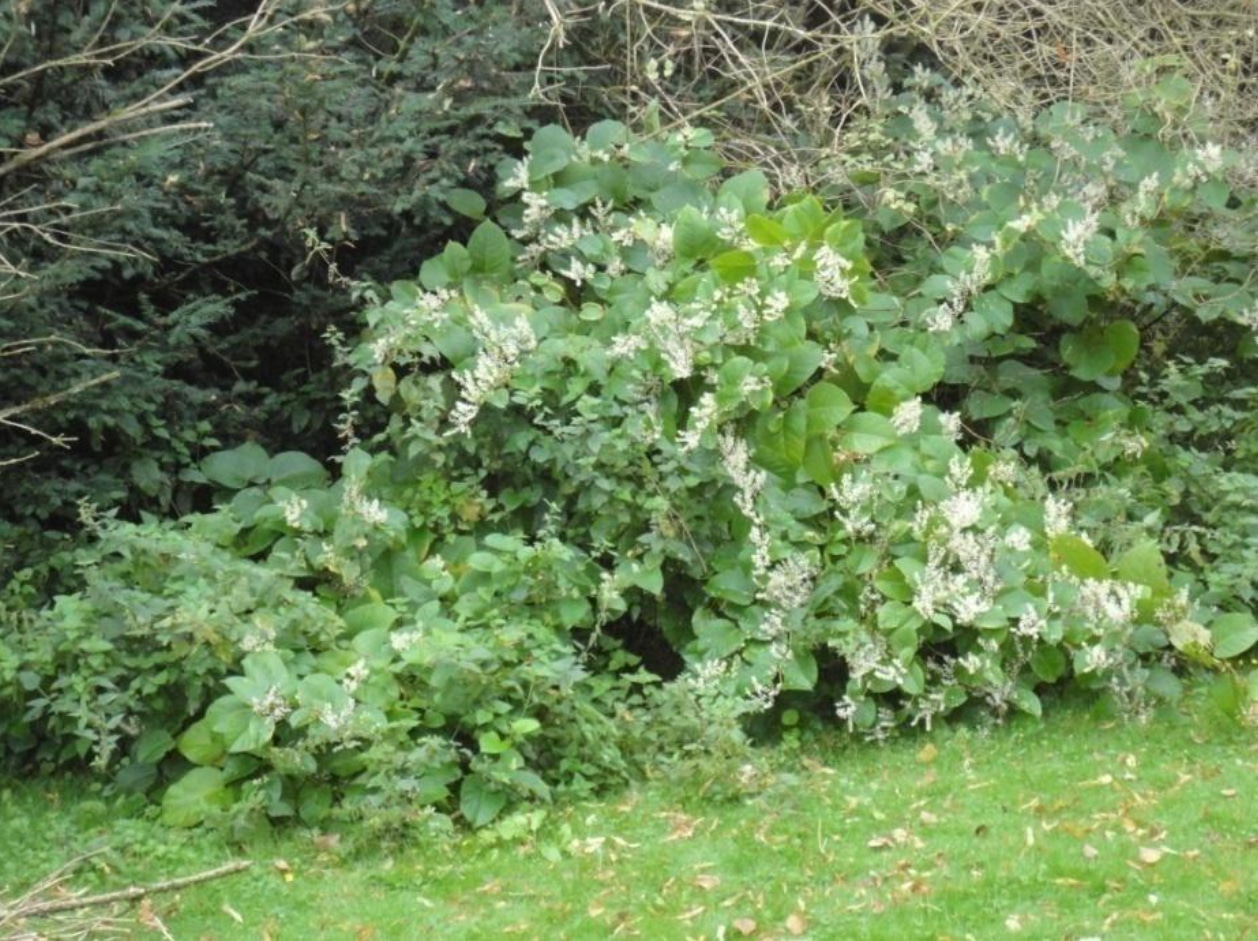
Small creamy white flowers which hang in clusters from the leaf axils
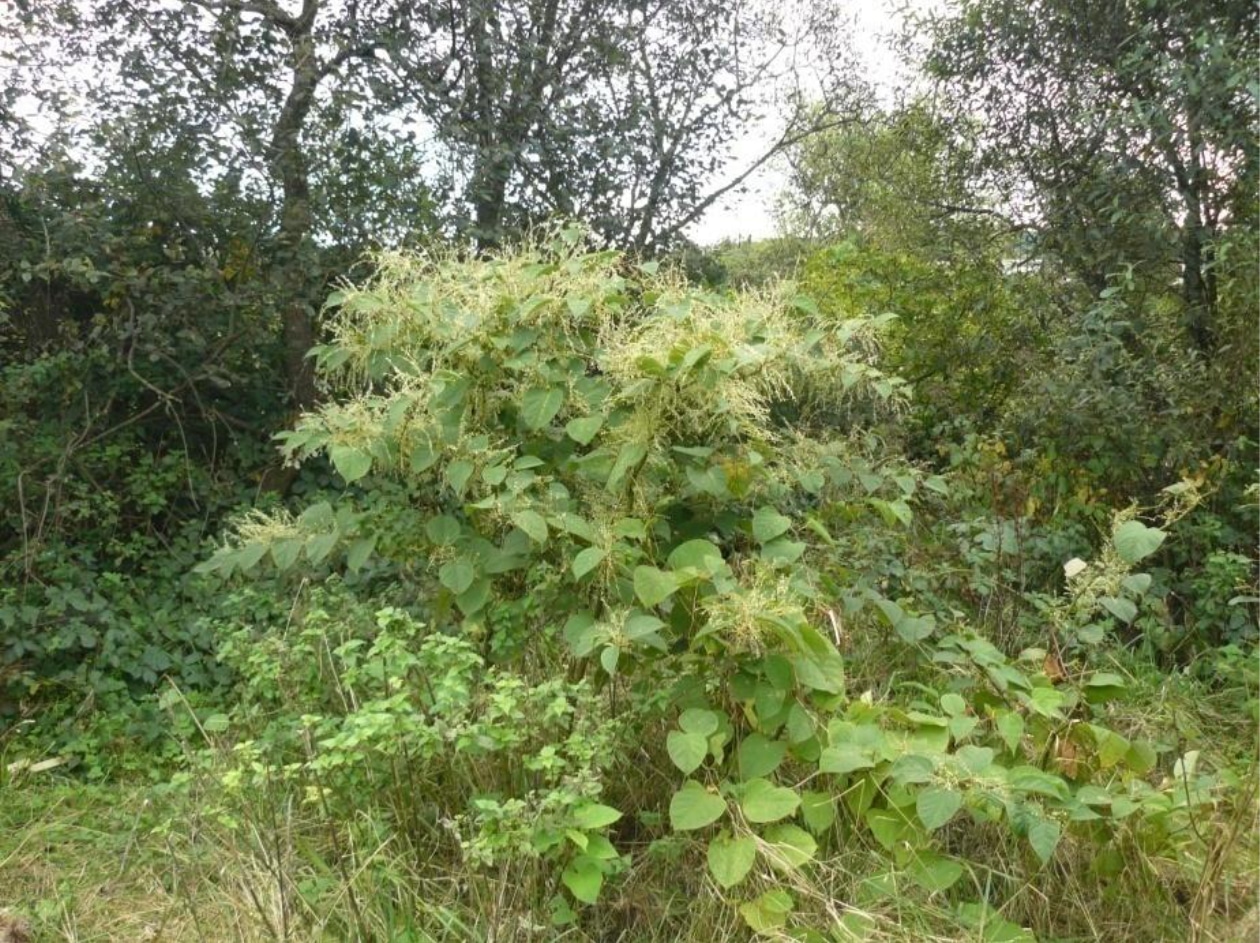
White flowering stage of Knotweed
As September arrives and the first hints of autumn appear across the UK, many homeowners assume that Japanese Knotweed and other invasive plants are no longer a concern until spring returns.
At Elcot Environmental, we know this couldn’t be further from the truth. Autumn represents one of the most critical periods for invasive plant management, and the actions you take now will determine whether you’re dealing with a manageable problem next spring or a significantly worse infestation.
Why Autumn Management Is Critical
Understanding the biology of invasive plants explains why autumn treatment is so effective:
Energy Storage and Movement
During autumn, invasive plants are actively preparing for winter:
– Nutrient translocation: Plants move energy reserves from leaves down to root systems
– Rhizome consolidation: Underground storage organs concentrate resources for winter survival
– Maximum absorption: This downward energy flow creates optimal conditions for herbicide uptake
– Systemic distribution: Treatments applied now reach the entire root network more effectively
Seasonal Vulnerability
Autumn represents a unique window of opportunity:
– Reduced growth competition: Surrounding vegetation is also entering dormancy
– Weather stability: Cooler temperatures reduce herbicide breakdown
– Extended absorption time: Slower plant metabolism allows longer treatment uptake periods
– Pre-winter stress: Plants are naturally more vulnerable to additional stressors
Spring Prevention
Effective autumn management dramatically reduces next year’s problems:
– Depleted energy reserves: Properly treated plants lack resources for vigorous spring growth
– Reduced viable propagules: Fewer healthy rhizome fragments survive winter treatment
– Minimized spread risk: Weaker plants are less likely to establish new populations
– Earlier control: Spring treatments can focus on cleanup rather than primary control
Japanese Knotweed: Peak Treatment Window
September through October represents the optimal treatment period for Japanese Knotweed:
Biological Timing
At this time of year, knotweed is:
– Still actively photosynthesizing with full leaf canopy
– Translocating sugars from leaves to rhizomes for winter storage
– Most receptive to systemic herbicide treatments
– Least likely to regenerate from treated root systems
Treatment Advantages
Autumn knotweed treatment offers:
– Higher success rates: Up to 30% better than spring applications
– Faster results: Visible die-back often occurs within 2-3 weeks
– Reduced regrowth: Following spring emergence is typically 70-80% reduced
– Cost effectiveness: Often achieves in one season what might take two with spring treatment
Weather Considerations
Optimal autumn treatment conditions include:
– Dry periods: At least 6 hours without rain after application
– Mild temperatures: 10-20°C for optimal herbicide activity
– Low wind: Reducing drift and ensuring accurate application
– Stable forecast: Avoiding treatment immediately before harsh weather
Other Invasive Plants: Autumn Management Strategies
Beyond Japanese Knotweed, autumn provides excellent opportunities for managing various invasive species:
Himalayan Balsam
This annual invasive requires specific autumn timing:
– Seed prevention: Treatment before seed set prevents next year’s germination
– Community management: Coordinated neighbourhood treatment maximizes effectiveness
– Mechanical control: Hand-pulling is most effective just before flowering
– Habitat restoration: Autumn is ideal for replanting native species in cleared areas
Giant Hogweed
Autumn management focuses on preventing spring regeneration:
– Root treatment: Targeting the taproot during energy storage phase
– Safety considerations: Lower sap toxicity during dormancy approach
– Site clearance: Removing dead material reduces spring hiding places for new growth
– Monitoring preparation: Setting up spring surveillance programs
Bamboo Species
Running bamboos require year-round vigilance, but autumn offers particular advantages:
– Root barrier installation: Ground conditions are often ideal for construction work
– Rhizome tracking: Die-back reveals the extent of underground spread
– Chemical treatment: Systemic herbicides are most effective during energy translocation
– Containment strategies: Implementing physical barriers before winter freeze-thaw cycles
Rhododendron ponticum
This persistent invasive responds well to autumn management:
– Cut-and-treat methods: Fresh cuts readily absorb herbicide during autumn
– Stump treatment: Preventing regrowth from established root systems
– Seedling control: Young plants are most vulnerable during first autumn
– Habitat restoration: Replanting native species while conditions remain favorable
Common Autumn Management Mistakes
We regularly encounter properties where well-intentioned autumn work has proven counterproductive:
Premature Cutting
Many homeowners mistakenly cut down invasive plants in early autumn:
– Reduced treatment surface: Removing leaves eliminates herbicide absorption sites
– Interrupted translocation: Cutting stops the downward movement of treatments
– Stimulated regrowth: Cutting can trigger emergency sprouting from dormant buds
– Disposal problems: Cut material requires expensive licensed waste disposal
Incorrect Timing
Treatment timing errors include:
– Too early: Before plants begin autumn energy storage (August and early September)
– Too late: After leaf drop when translocation has ceased (November onwards)
– Weather ignored: Treating during unsuitable conditions reduces effectiveness
– Species confusion: Using knotweed timing for plants with different biology
Inadequate Follow-up
Autumn treatment success depends on proper follow-up:
– Spring monitoring: Checking for regrowth and planning additional treatments
– Site management: Preventing recolonization by new invasive species
– Documentation: Recording treatment details for future reference and property sales
– Professional review: Having experts assess treatment effectiveness
Preparing Your Property for Winter Success
Effective autumn invasive plant management involves several key steps:
Professional Assessment
Before beginning any treatment program:
– Species identification: Confirming exactly which invasive plants are present
– Infestation mapping: Understanding the full extent of the problem
– Treatment prioritization: Focusing efforts where they’ll be most effective
– Legal compliance: Ensuring all activities meet regulatory requirements
Site Preparation
Preparing treatment areas involves:
– Access clearance: Ensuring treatment equipment can reach all affected areas
– Non-target protection: Shielding desirable plants from herbicide drift
– Safety measures: Implementing appropriate personal protective equipment protocols
– Weather monitoring: Planning treatments around optimal conditions
Treatment Implementation
Professional autumn treatment includes:
– Precise application: Using appropriate herbicide concentrations and application methods
– Systemic coverage: Ensuring treatments reach all parts of the target plants
– Quality control: Monitoring application effectiveness and adjusting as needed
– Documentation: Recording all treatment details for monitoring and compliance
Winter Monitoring
Even after treatment, winter vigilance is important:
– Storm damage assessment: Checking for spread of contaminated material after severe weather
– Frost protection: Protecting treated areas from physical damage
– Site security: Preventing unauthorized disturbance of treatment zones
– Planning preparation: Developing spring management strategies based on winter observations
The Elcot Environmental Autumn Advantage
At Elcot Environmental, we’ve developed specialized autumn treatment protocols:
Targeted Timing
Our treatment programs are precisely timed for maximum effectiveness:
– Species-specific scheduling: Different plants require different treatment windows
– Weather optimization: We monitor conditions to ensure optimal treatment timing
– Site-specific adaptation: Treatment timing adjusted for local microclimate conditions
– Progress monitoring: Regular assessment ensures treatments are working as intended
Professional Equipment and Materials
Our autumn treatments utilise:
– Professional-grade herbicides: More effective than consumer products
– Precision application equipment: Ensuring accurate herbicide placement
– Weather monitoring: Real-time conditions assessment for optimal timing
– Safety protocols: Protecting both our staff and your property
Comprehensive Management
Our autumn services include:
– Multi-species programs: Addressing all invasive plants on your property
– Site restoration: Preparing areas for native plant establishment
– Insurance-backed guarantees: Providing long-term protection and peace of mind
– Spring follow-up: Monitoring and additional treatments as needed
Case Study: Autumn Treatment Success
A residential property in Hampshire had struggled with Japanese Knotweed for three years using spring treatments. When they switched to our autumn treatment program:
Year 1 Autumn Treatment:
– 90% reduction in spring emergence
– Significantly weakened remaining plants
– Reduced treatment area by 60%
Year 2 Follow-up:
– Only scattered weak shoots emerged
– Single follow-up treatment achieved complete control
– Insurance-backed guarantee issued
Total treatment time was reduced from an estimated 4-5 years to just 18 months through optimal autumn timing.
Act Now Before Winter Sets In
Autumn represents your best opportunity to gain control over invasive plants before they enter winter dormancy with full energy reserves. The biological advantages of autumn treatment, combined with professional expertise and appropriate materials, can achieve results that would be impossible at other times of year.
Call us on 01962 886210 or complete our [online contact form](https://elcotenviro.com/contact/) for a tailored Knotweed treatment plan designed to maximize autumn effectiveness.
At Elcot Environmental, we understand that successful invasive plant management requires working with natural biological cycles. Our autumn treatment programs harness the seasonal vulnerability of invasive plants to deliver superior results while preparing your property for a invasion-free spring.
Get a quote
Request a quote for Residential Knotweed Removal - Serving Your Local Area