Japanese Knotweed Myths & Facts: Separating Truth from Fiction
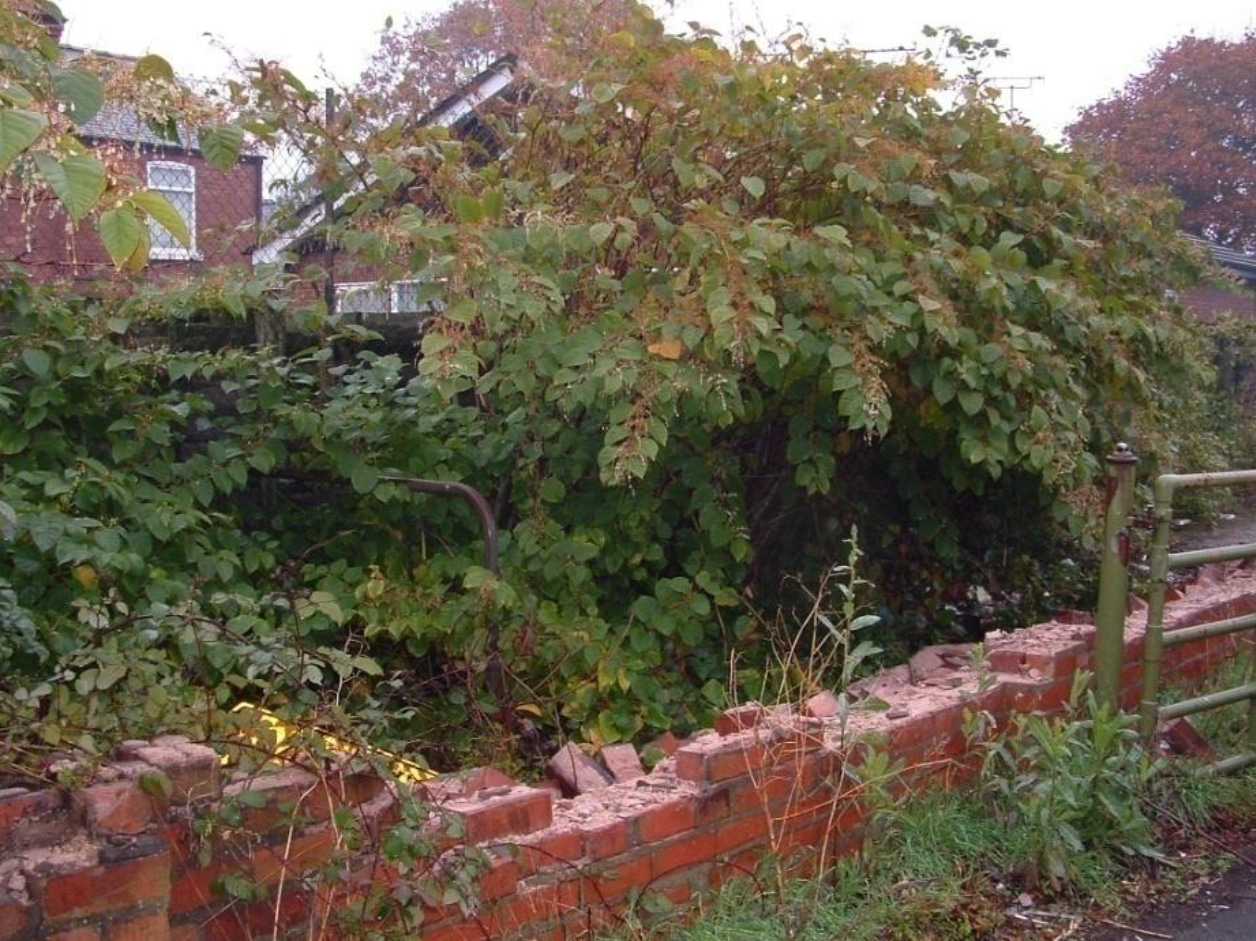
Knotweed leaves start to turn a dull green colour during October
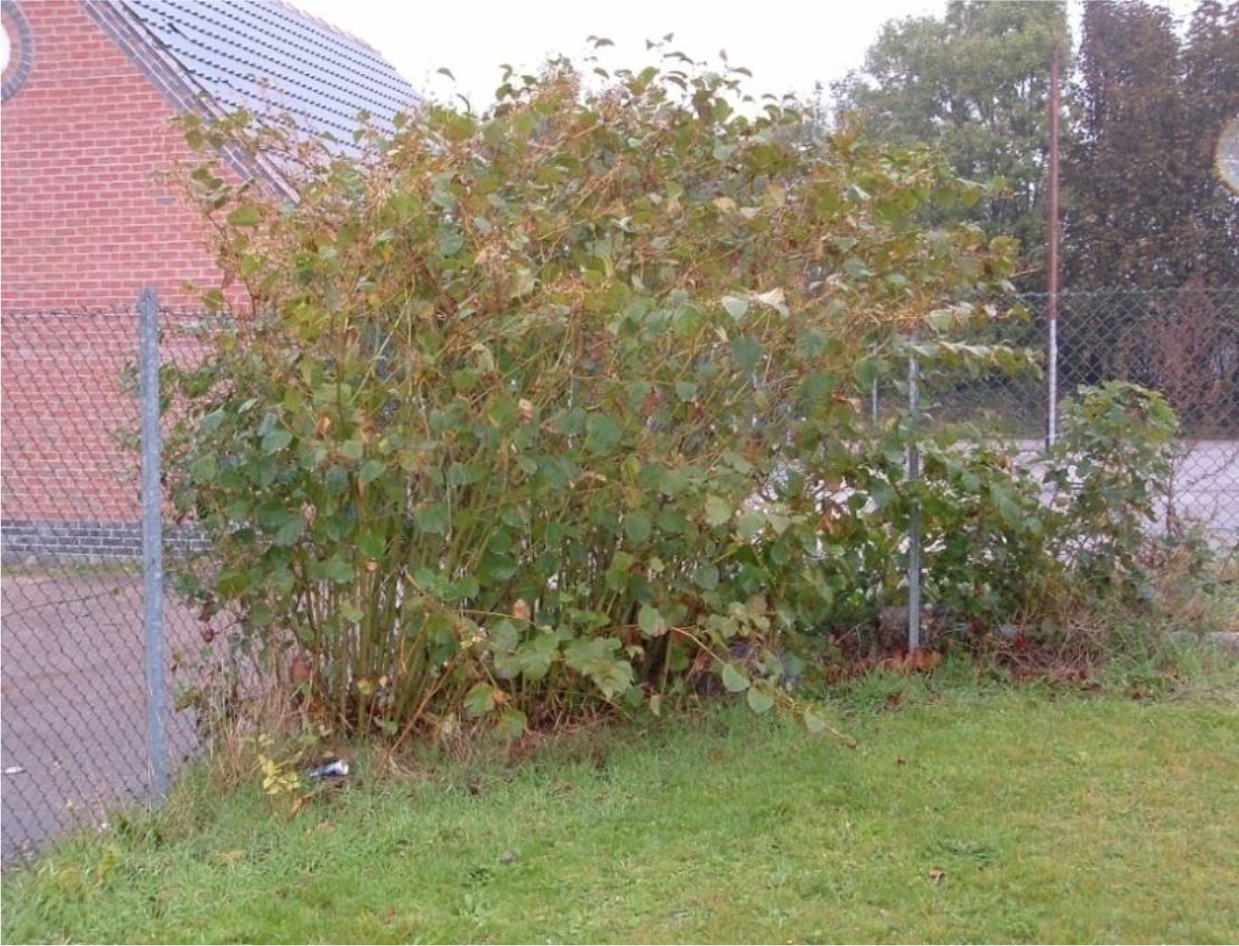
Brown remnants of the flowers and the plant is very drab
As October's autumn colours begin to emerge and Japanese Knotweed enters its final active growth phase before winter dormancy, we encounter more questions and misconceptions about this infamous plant than at any other time of year.
At Elcot Environmental, we regularly hear from concerned homeowners, property developers, and estate agents who’ve received conflicting information about knotweed’s capabilities, treatment options, and legal implications. It’s time to separate the myths from the scientific facts.
The Foundation of Fear: Why Myths Persist
Japanese Knotweed has developed an almost legendary status in the UK, leading to widespread misinformation:
Media Sensationalism
Dramatic headlines have created exaggerated perceptions:
– “House-eating super weed” stories that oversimplify complex situations
– Extreme case studies presented as typical outcomes
– Conflation of different invasive species under the “knotweed” label
– Financial impact stories that ignore successful management examples
Chinese Whispers Effect
Information distortion occurs as stories spread:
– Estate agents sharing half-remembered legal advice
– Neighbours passing on incomplete treatment experiences
– Social media amplifying worst-case scenarios
– Professional services with limited knotweed expertise offering opinions
Genuine Complexity
The plant’s biology and legal status are genuinely complex:
– Multiple factors affect growth and spread rates
– Treatment success depends on various environmental conditions
– Legal requirements vary by circumstance and location
– Financial implications differ significantly between properties
Myth-Busting: Common Misconceptions vs. Scientific Reality
Let’s examine the most persistent myths and what science actually tells us:
Myth 1: “Japanese Knotweed Can Grow Through Concrete”
The Reality: Japanese Knotweed cannot actively break through solid, intact concrete.
The Science:
– Knotweed rhizomes grow through existing cracks, joints, and weaknesses
– The plant exploits pre-existing structural defects rather than creating them
– Root pressure is insufficient to crack sound concrete (typically 2-3 MPa vs concrete’s 20-40 MPa compressive strength)
– Most reported “concrete damage” involves mortar joints, expansion gaps, or already-compromised structures
What This Means: While knotweed can certainly exploit and worsen existing structural problems, it’s not the unstoppable concrete-crushing force often portrayed.
Myth 2: “A Fragment the Size of a Fingernail Can Regrow”
The Reality: While knotweed can regenerate from small fragments, success depends on multiple factors.
The Science:
– Fragments need sufficient stored energy (typically requiring crown or rhizome material)
– Viable regrowth requires appropriate moisture, temperature, and soil conditions
– Most small fragments lack the energy reserves for successful establishment
– Laboratory studies show fragments under 0.7g rarely establish successfully in field conditions
What This Means: While careful handling is essential, the “fingernail fragment” story oversimplifies the actual regeneration requirements.
Myth 3: “Knotweed Makes Properties Unmortgageable”
The Reality: Most UK lenders will provide mortgages for properties with knotweed, subject to appropriate conditions.
The Facts:
– Over 85% of major UK lenders have specific knotweed lending policies
– Many lenders require professional treatment plans with insurance-backed guarantees
– Properties with active, unmanaged knotweed face greater restrictions
– Properties with completed, guaranteed treatment often mortgage normally
What This Means: While knotweed affects mortgage applications, it doesn’t automatically make properties unmortgageable.
Myth 4: “Knotweed Always Reduces Property Values by 20%”
The Reality: Value impact varies dramatically based on location, extent, and management status.
The Research:
– Studies show impact ranging from 5-20% depending on circumstances
– Properties with completed treatment may see no long-term value impact
– Location factors (urban vs rural, property type) significantly influence buyer perception
– Professional management with guarantees substantially reduces value impact
What This Means: While knotweed can affect values, blanket percentage reductions don’t reflect the complex reality of property markets.
Myth 5: “Chemical Treatment Always Takes 3-5 Years”
The Reality: Treatment duration depends on infestation characteristics and treatment approach.
The Evidence:
– Well-established programs achieve control in 1-3 years for most infestations
– Autumn treatment typically reduces timescales by 25-40%
– Small, recently established infestations may be controlled within 12 months
– Treatment method (injection vs foliar spray) significantly affects timescales
What This Means: While multi-year programs are common, duration varies considerably based on site-specific factors.
Myth 6: “You Must Disclose Historical Knotweed Even After Successful Treatment”
The Reality: Disclosure requirements are more nuanced than often understood.
The Legal Position:
– Current knotweed must be disclosed on TA6 forms
– Successfully treated knotweed with guarantees may not require ongoing disclosure
– “Historical presence” disclosure depends on treatment completeness and guarantee status
– Legal advice varies between conveyancing solicitors
What This Means: Successful treatment with appropriate guarantees can resolve disclosure obligations, though legal advice should always be sought.
Scientific Facts: What We Actually Know
Beyond myth-busting, here’s what peer-reviewed research tells us about Japanese Knotweed:
Growth and Spread Rates
Established Science:
– Horizontal rhizome spread averages 1-2 metres per year in optimal conditions
– Vertical growth rarely exceeds 3 metres depth in UK soils
– Above-ground growth can reach 3-4 metres in a single season
– Spread rates vary dramatically based on soil type, moisture, and nutrients
Structural Impact Reality
Engineering Studies Show:
– Primary damage occurs through exploiting existing weaknesses
– Most structural problems involve poor drainage or foundation issues
– Knotweed rarely initiates structural damage in sound buildings
– Risk increases significantly near older buildings with lime mortar or poor foundations
Ecological Impact
Research Findings:
– Knotweed reduces native plant diversity by 40-60% in affected areas
– Soil chemistry changes can persist for years after plant removal
– Wildlife habitat value is significantly lower than native alternatives
– Riverbank infestations increase erosion risk during winter months
Treatment Efficacy
Field Trial Results:
– Glyphosate-based treatments achieve 90%+ success rates with proper application
– Injection methods show 25-30% better results than foliar applications
– Autumn treatments consistently outperform spring applications
– Combined physical and chemical approaches reduce treatment time by 30-40%
Regional Variations: Why Location Matters
Knotweed behaviour varies significantly across the UK:
Climate Factors
– Northern regions: Shorter growing seasons reduce annual spread rates
– Coastal areas: Salt tolerance allows growth in marine-influenced soils
– Urban heat islands: Extended growing seasons in city centers
– Rainfall patterns: Wet regions see faster establishment and spread
Soil Conditions
– Clay soils: Slower horizontal spread but deeper rhizome penetration
– Sandy soils: Faster horizontal spread but limited depth penetration
– Contaminated land: Industrial sites often show enhanced growth rates
– Waterlogged areas: Increased winter survival and spring emergence
Development Pressure
– High-value areas: Greater impact on property transactions and values
– Rural locations: Often less stringent mortgage lending criteria
– Development sites: Enhanced regulatory scrutiny and treatment requirements
The Elcot Environmental Evidence-Based Approach
At Elcot Environmental, we base our recommendations on scientific evidence rather than myths:
Comprehensive Assessment
Our surveys provide factual information about:
– Actual infestation extent rather than worst-case assumptions
– Site-specific risk factors affecting spread and treatment
– Realistic treatment timescales based on current scientific understanding
– Evidence-based cost estimates reflecting actual project requirements
Transparent Communication
We ensure clients receive:
– Clear explanations of what knotweed can and cannot do
– Honest assessments of treatment options and success probabilities
– Evidence-based timescales rather than generic estimates
– Regular updates based on actual treatment progress
Scientific Treatment Protocols
Our management programs utilize:
– Peer-reviewed treatment methods with proven efficacy rates
– Adaptive management based on plant response monitoring
– Quality assurance ensuring treatments meet scientific standards
– Long-term monitoring validating treatment success
Case Study: Myth vs Reality
A client in Surrey contacted us convinced their property was “worthless” due to knotweed discovered during a house sale. The myths they’d encountered included:
Myths They’d Heard:
– Property would be impossible to sell
– Treatment would take 5+ years and cost £15,000+
– Mortgage would be declined by all lenders
– Garden would be unusable for years
Actual Reality:
– Small infestation treated successfully within 18 months
– Total treatment cost: £3,200 including guarantee
– Sale completed with specialist mortgage after treatment plan implementation
– Garden restoration completed within 12 months
The difference between myth and reality saved them thousands of pounds and years of worry.
Beyond Knotweed: Other Invasive Plant Myths
Similar misconceptions affect other invasive species:
Bamboo Myths
– Myth: All bamboo is invasive and uncontrollable
– Reality: Clumping varieties are generally well-behaved; running varieties require management
Giant Hogweed Myths
– Myth: Brief contact always causes severe burns
– Reality: Reaction depends on exposure duration, skin sensitivity, and subsequent UV exposure
Himalayan Balsam Myths
– Myth: Impossible to control due to explosive seed dispersal
– Reality: Responds well to coordinated management programs
Have Questions About Knotweed?
With so much misinformation circulating about Japanese Knotweed, it’s essential to get advice from qualified specialists who base their recommendations on scientific evidence rather than myths and hearsay.
Call us on 01962 886210 or complete our [online contact form](https://elcotenviro.com/contact/) today. Our experts are here to provide clear, evidence-based answers to all your knotweed questions.
At Elcot Environmental, we’re committed to providing factual, science-based information about invasive plants. Whether you’re dealing with a confirmed infestation or simply want reliable information, our specialists can separate the myths from the facts and provide practical, effective solutions based on real-world evidence.
Get a quote
Request a quote for Residential Knotweed Removal - Serving Your Local Area