DIY vs. Professional Japanese Knotweed Removal: What Actually Works?
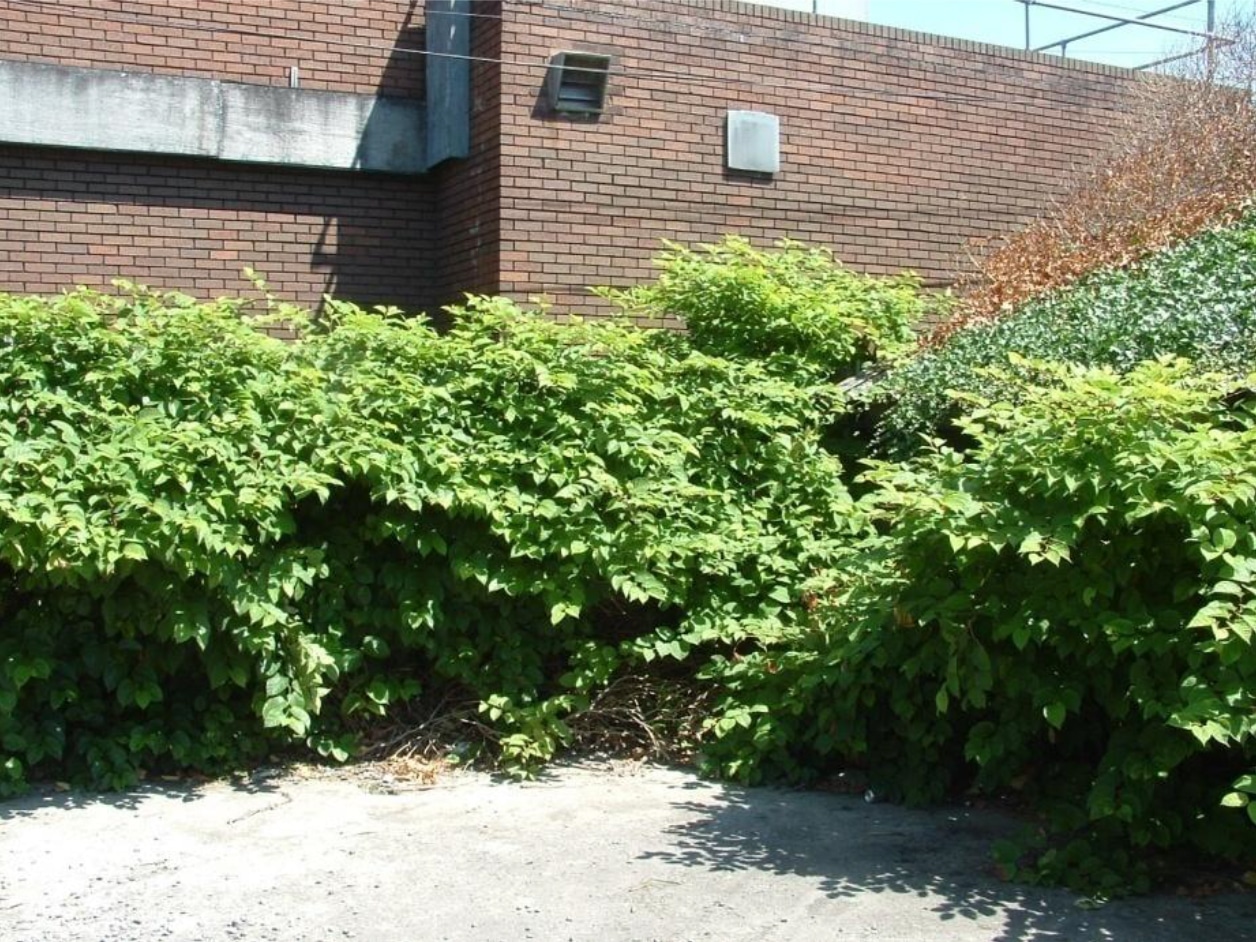
Knotweed – Dense,Full Leaf Cover
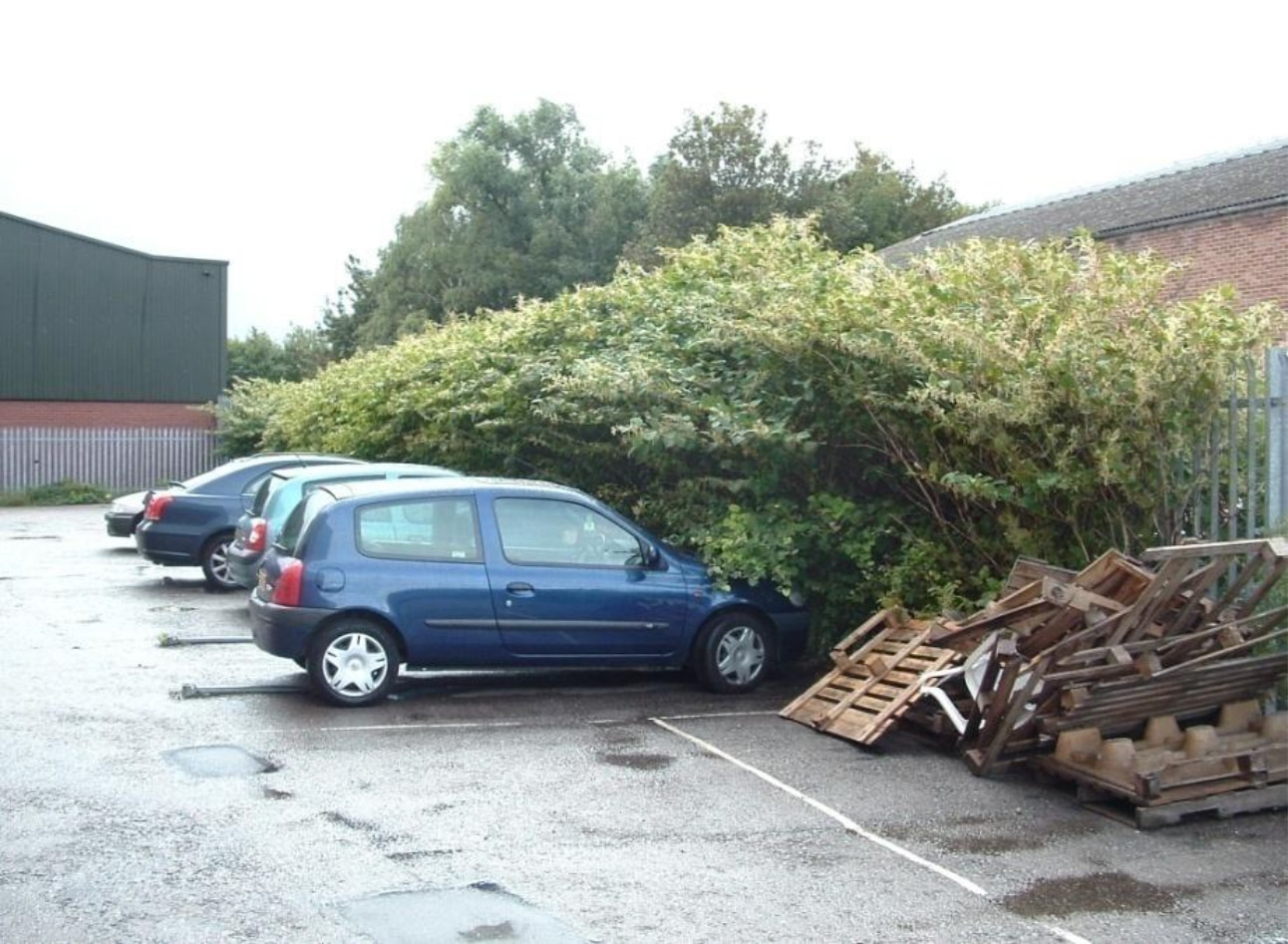
Fully Established Knotweed
As July arrives and Japanese Knotweed reaches its full summer vigour across the UK, many homeowners are tempted to tackle this invasive plant themselves.
At Elcot Environmental, we regularly encounter properties where well-intentioned DIY efforts have not only failed but actually made the problem worse. Understanding why home remedies fall short – and when professional intervention becomes essential – could save you thousands of pounds and years of frustration.
The Appeal of DIY Solutions
We understand why homeowners are drawn to DIY knotweed removal:
– Cost Concerns: Professional treatment can seem expensive initially
– Immediacy: The desire to tackle the problem straight away
– Simplicity: Online guides make removal appear straightforward
– Privacy: Avoiding having to declare professional treatment when selling
However, Japanese Knotweed’s remarkable resilience means that what appears simple on the surface is actually far more complex than most people realise.
Common DIY Methods: Why They Fail
Let’s examine the most popular home remedies and why they typically prove ineffective:
Cutting and Strimming
The Method: Regularly cutting down visible growth to “starve” the plant.
Why It Fails:
– Knotweed’s energy reserves are stored in rhizomes up to 3 metres underground
– Cutting actually stimulates new growth from dormant buds
– Can spread contaminated plant material around your garden
– Creates controlled waste disposal obligations
Real-World Outcome: We’ve seen properties where 5+ years of regular cutting has resulted in denser, more widespread infestations.
Boiling Water
The Method: Pouring boiling water over knotweed shoots and crowns.
Why It Fails:
– Only affects surface growth and shallow roots
– Deep rhizome network remains completely unaffected
– Temporary scorching is quickly replaced by new growth
– Impractical for anything beyond very small patches
Real-World Outcome: Initial apparent success followed by vigorous regrowth within weeks.
White Vinegar and Salt
The Method: Household acids and salt applied as “natural” herbicides.
Why It Fails:
– Insufficient concentration to penetrate to rhizome level
– Damages surrounding soil and plants more than knotweed
– Knotweed’s waxy leaf coating resists absorption
– No systemic action to kill the root system
Real-World Outcome: Temporary leaf damage only, with full recovery typically within a month.
Digging and Excavation
The Method: Attempting to dig out the entire root system by hand.
Why It Fails:
– Rhizomes can extend 7 metres horizontally and 3 metres deep
– Leaving even small fragments leads to regrowth
– Creates massive amounts of contaminated soil requiring licensed disposal
– Often spreads the problem to other parts of the garden
Real-World Outcome: We frequently encounter properties where DIY excavation has spread knotweed to multiple new locations.
Glyphosate from Garden Centres
The Method: Using standard strength glyphosate products available to consumers.
Why It Partially Works But Ultimately Fails:
– Consumer products lack the concentration needed for knotweed
– Incorrect application timing reduces effectiveness
– Single applications rarely achieve sufficient rhizome kill
– No follow-up monitoring or retreatment strategy
Real-World Outcome: Initial die-back followed by regrowth, often becoming herbicide-resistant over time.
The Proliferation Problem: How DIY Makes Things Worse
One of our biggest concerns with DIY attempts is how they can actually increase the extent of infestation:
Fragmentation and Spread
– Any disturbance of knotweed rhizomes can create new plants
– Moving contaminated soil spreads viable fragments
– Inappropriate disposal can establish new populations
– Cross-contamination to tools and equipment
Legal Complications
DIY attempts often create legal issues:
– Improper disposal violates waste regulations
– Spread to neighbouring properties increases liability
– Failed treatment attempts must still be declared on property sales
– Can invalidate insurance claims for knotweed damage
When Professional Treatment Becomes Essential
Several factors make professional intervention not just preferable, but necessary:
Complex Infestations
– Knotweed growing near buildings or infrastructure
– Multiple stands across a property
– Co-occurrence with other invasive species
– Previous failed DIY attempts
Legal and Financial Requirements
– Property sales or purchases
– Mortgage lender requirements
– Insurance claims
– Planning applications or development work
Time and Resource Constraints
– Need for guaranteed results within specific timeframes
– Lack of ongoing monitoring capability
– Limited access to professional-grade herbicides
– Requirement for waste disposal certification
The Professional Advantage: What We Bring to Knotweed Management
At Elcot Environmental, our approach differs fundamentally from DIY methods:
Comprehensive Assessment
– Detailed surveys identifying the full extent of infestation
– Soil contamination mapping
– Risk assessment for structures and services
– Development of targeted treatment strategies
Professional-Grade Materials and Methods
– Access to herbicides not available to consumers
– Specialized application equipment for precise delivery
– Injection techniques that bypass leaf resistance
– Seasonal timing optimized for maximum effectiveness
Systematic Treatment Programs
– Multi-year programs targeting rhizome depletion
– Regular monitoring and retreatment as needed
– Adaptive management based on plant response
– Documentation suitable for legal requirements
Insurance-Backed Guarantees
– 10-year guarantees providing financial protection
– Transferable coverage for property sales
– Peace of mind for homeowners and mortgage lenders
– Professional indemnity insurance backing our work
Success Rates: DIY vs. Professional
Our experience across thousands of properties shows stark differences in outcomes:
DIY Attempts
– Complete eradication: Less than 5% success rate
– Significant reduction: Approximately 20% achieve temporary control
– No improvement or worsening: 75% of DIY attempts
Professional Treatment
– Complete eradication: Over 95% success rate within 2-3 years
– Significant control: 99% achieve substantial reduction within first year
– Treatment failure: Less than 1% when proper protocols are followed
Case Study: The Cost of DIY Failure
A client in Berkshire spent three years attempting DIY knotweed control, including:
– £800 on various herbicides and equipment
– Hundreds of hours of weekend labour
– £1,200 for contaminated soil disposal after attempted excavation
Despite this investment, the knotweed had actually spread to cover twice the original area. Professional treatment achieved complete control within 18 months at a cost of £3,500 – less than what the failed DIY attempt ultimately cost when factoring in time and aggravation.
Beyond Knotweed: Other Invasive Plants Requiring Professional Management
Our professional approach extends to other invasive species where DIY methods similarly fall short:
Bamboo Control
– Requires precision root barrier installation
– Specialized rhizome tracking and removal
– Long-term containment strategies
Giant Hogweed
– Health and safety risks requiring protective equipment
– Specialized disposal requirements
– Risk of legal liability from inadequate treatment
Himalayan Balsam
– Requires watershed-level management
– Timing critical for effective control
– Often indicates broader ecological issues
Making the Right Choice for Your Property
When deciding between DIY and professional treatment, consider:
Choose Professional Treatment If:
– Knotweed is within 7 metres of buildings
– You’re planning to sell your property
– Previous DIY attempts have failed
– The infestation covers more than a small patch
– You need guaranteed results with legal backing
DIY Might Be Considered Only If:
– The infestation is very small and isolated
– You have significant time and patience for long-term management
– You understand the legal implications of disposal
– You accept the high probability of failure
Avoid Costly Mistakes—Schedule a Consultation Today
The evidence is clear: DIY knotweed removal rarely achieves long-term success and often makes the problem worse. Professional treatment provides guaranteed results, legal protection, and ultimately represents better value for money.
Call us on 01962 886210 or complete our [online contact form](https://elcotenviro.com/contact/) to schedule a consultation with our specialists for guaranteed Knotweed removal.
At Elcot Environmental, we don’t just remove Japanese Knotweed – we provide complete peace of mind through proven, guaranteed solutions. Let our expertise save you time, money, and frustration while protecting your property’s value.
Get a quote
Request a quote for Residential Knotweed Removal - Serving Your Local Area