
April Alert: What to Do When You Spot the First Knotweed Shoots
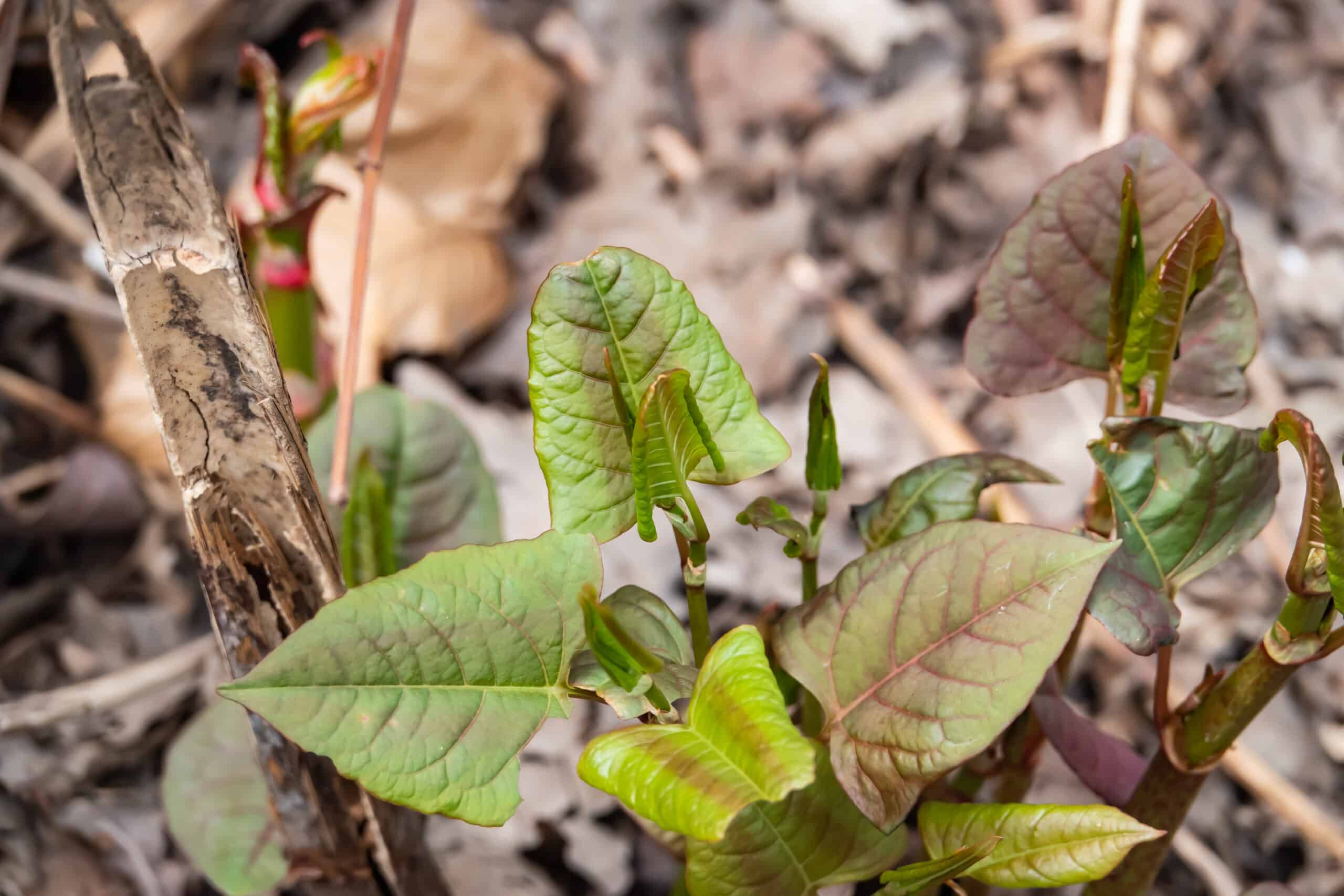
New growth leaves of Japanese Knotweed

New stalk of Japanese Knotweed
April is when many gardens properly come back to life. Lawns start growing again, borders fill out, and the first strong signs of spring appear across the UK. It’s also a key month for Japanese Knotweed, because this is typically when new shoots begin to emerge clearly and growth starts accelerating.
If you spot suspicious shoots in April, acting quickly can make a real difference. Early intervention helps contain spread, supports smoother treatment planning, and reduces the chances of the issue escalating into a more expensive and disruptive problem later in the season.
Why April is a High-Risk Month for Knotweed
Japanese Knotweed is a perennial plant that dies back above ground during winter but remains alive underground in its rhizome system. As soil temperatures rise, those rhizomes begin pushing up new growth, often in clusters. What can feel like “sudden” growth is usually the result of a well-established underground network reactivating.
April matters because the plant is still at an early stage, which makes it easier to identify and manage. It’s also the point in the year when many homeowners begin gardening, tidying, and landscaping—activities that can accidentally spread knotweed if it’s present but unconfirmed.
What the First Shoots Look Like
Early knotweed growth can be mistaken for other plants, particularly if you haven’t seen it before. In April, it commonly appears as short, thick shoots that are often red or purple-tinged, emerging through soil, gravel, lawns, or cracks near patios.
As the shoots develop, you may notice the leaves beginning to unfurl, with a slightly rolled appearance at first. The stems often look more substantial than typical weeds at the same height, and shoots tend to appear in dense groups rather than as isolated single stems.
If knotweed was present last year, you may also find brittle brown canes left standing from previous growth. These can be a strong clue to where new shoots will appear as the season progresses.
Where to Check on Your Property
Knotweed doesn’t always show up where you expect it. It frequently establishes around boundaries and in less-used areas where growth goes unnoticed.
In April, it’s worth checking:
Garden boundaries along fences, hedges and walls, particularly if neighbouring land is unmanaged.
Behind sheds, garages and outbuildings where vegetation is rarely inspected.
Along driveways, patios, retaining walls and hardstanding where shoots can force their way through cracks.
Near streams, ditches, railway lines or other corridors of unmanaged ground.
Any area where soil has been disturbed in the past, as knotweed can spread through contaminated soil movement.
If you manage a commercial site, pay special attention to unused corners, behind storage areas, service routes, and the edges of car parks where regular maintenance may be limited.
What to Do (and What Not to Do)
If you suspect Japanese Knotweed, the most important thing is to avoid actions that can spread it. It’s understandable to want to cut it back or dig it out, but knotweed is highly resilient and can regrow from small fragments of rhizome.
If you see suspected shoots:
Do not strim, mow, or cut them back.
Do not dig the area or move soil off-site.
Do not compost plant material or dispose of it in household garden waste.
Avoid starting landscaping or groundwork until you’ve had professional confirmation.
Knotweed material and contaminated soil can be classed as controlled waste, and incorrect handling can lead to spread and additional costs later on.
Why Early Action Helps
April is an ideal time to get clear answers. A professional inspection can confirm whether the plant is Japanese Knotweed, identify the likely extent of growth (including spread from neighbouring land), and recommend a management approach suited to your property.
Early identification also helps if you’re planning a sale, purchase, or building work this year. Putting a plan in place early can prevent delays in the conveyancing process, reduce last-minute disruption, and demonstrate responsible management to lenders and buyers.
Even if you are not planning a property transaction, taking action now can help ensure treatment begins at the most effective time in the growing season.
Book a Professional Inspection This April
If you’ve noticed unusual shoots or want peace of mind as the growing season begins, we’re here to help. Elcot Environmental offers professional advice and practical solutions for managing Japanese Knotweed responsibly, with clear next steps and treatment planning tailored to your site.
Spotted new shoots? Book a professional Knotweed survey before growth accelerates.
Call: 01962 886210
Get a quote
Request a quote for Residential Knotweed Removal - Serving Your Local Area