The Role of Invasive Species in Biodiversity Loss and How You Can Help
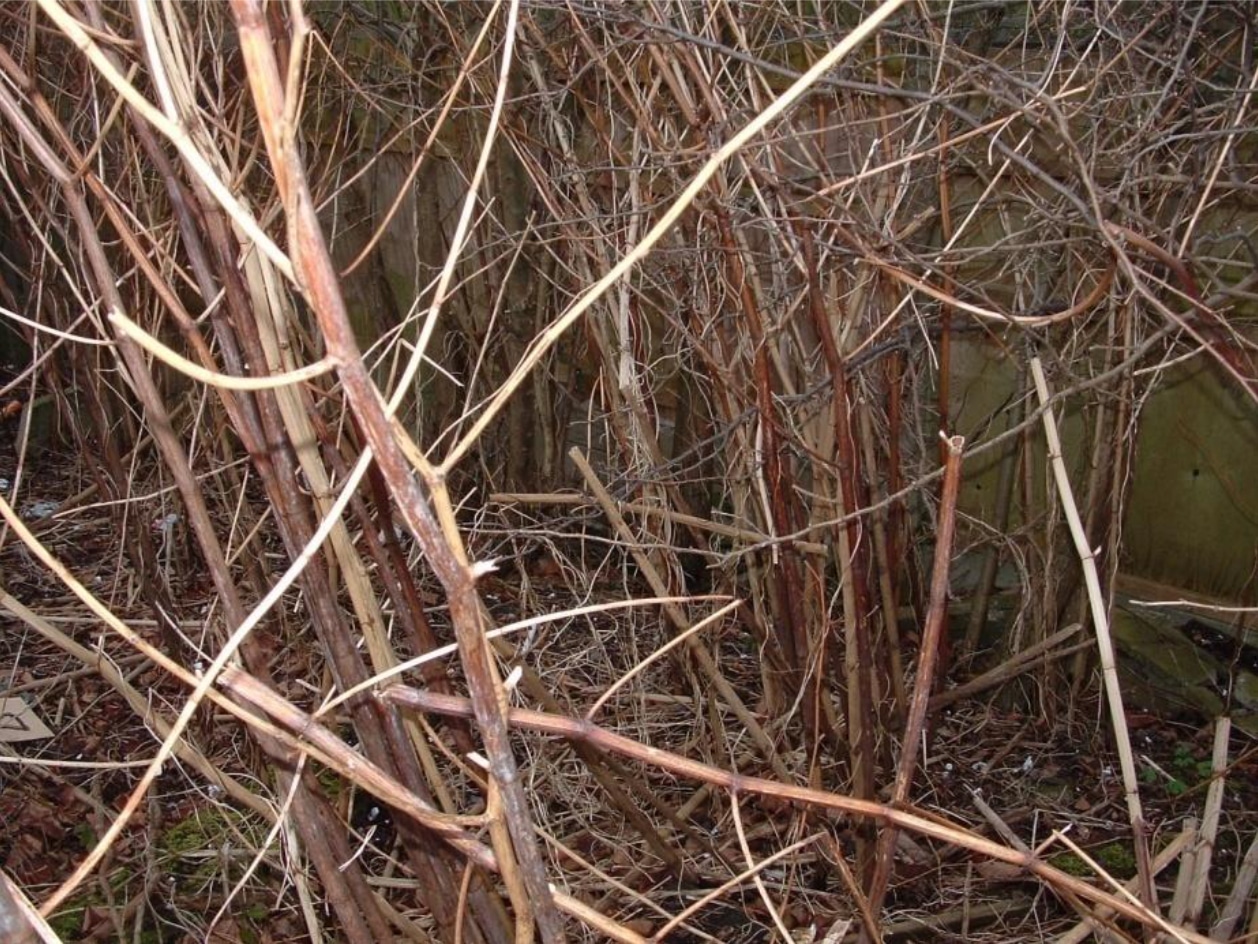
Knotweed brown and broken stems

Knotweed dead brown stems, typical during February
February marks the tail end of winter, a time when nature begins preparing for spring renewal. Beneath the surface, native British wildflowers are developing root systems, early pollinators are emerging, and ecosystems are readying themselves for the growing season ahead.
However, this natural cycle faces an increasingly serious threat from invasive non-native species that disrupt the delicate balance our wildlife depends upon.
Japanese Knotweed is perhaps the most notorious invasive plant in the UK, but it represents just one example of how introduced species can fundamentally alter our native ecosystems. Understanding the broader impact of invasive species on biodiversity helps us appreciate why responsible management isn’t just about property values, it’s about protecting the natural heritage we all share.
What Makes a Species “Invasive”?
Not all non-native species become problematic. Britain’s gardens and countryside contain thousands of introduced plants that coexist peacefully with native flora without causing ecological harm. The crucial difference lies in how aggressively a species spreads and whether it outcompetes native plants for resources.
An invasive species typically exhibits several concerning characteristics. It grows rapidly and produces abundant seeds or spreads vegetatively through underground systems like rhizomes. It lacks natural predators or diseases that would control its population in its native range. Perhaps most significantly, it outcompetes native species for light, water, nutrients and physical space, often creating monocultures where diverse plant communities once thrived.
Japanese Knotweed exemplifies these traits perfectly. Introduced to Britain in the 1840s as an ornamental garden plant, it escaped cultivation and now infests an estimated 4% of Britain’s land area. Its aggressive growth rate of up to 10cm per day during peak season, combined with an extensive rhizome network that can spread seven metres horizontally and three metres deep, allows it to dominate almost any habitat it colonises.
How Invasive Species Drive Biodiversity Loss
The impact of invasive species on native ecosystems operates through several interconnected mechanisms, each contributing to the gradual erosion of biodiversity that makes British habitats unique and valuable.
Habitat Displacement and Monoculture Formation
When Japanese Knotweed establishes itself in an area, it typically forms dense stands that exclude almost all other vegetation. The plant’s large leaves create heavy shade beneath the canopy, preventing light from reaching ground-level plants. Its extensive root system monopolises soil nutrients and moisture. Within just a few growing seasons, diverse plant communities containing dozens of native species can be reduced to knotweed monocultures supporting virtually no other flora.
This transformation has cascading effects throughout the food web. Native wildflowers that once provided nectar for pollinators disappear. The insects that depend on specific native plants for food or breeding habitat lose their resources. Birds and small mammals that feed on those insects or on native seeds and berries find their food sources eliminated. The rich tapestry of interconnected species that characterises healthy British ecosystems unravels, leaving biological deserts of limited ecological value.
Disruption of Pollinator Networks
British pollinators have evolved alongside native plants over thousands of years, developing specialised relationships that ensure both parties thrive. Many of our native bees, butterflies, hoverflies and other insects depend on specific wildflowers for nectar, pollen, or breeding habitat. When invasive species replace these native plants, pollinator populations suffer dramatic declines.
Japanese Knotweed flowers late in the season, typically August to September, and while it does provide some nectar, it cannot substitute for the diverse native wildflowers that bloom throughout spring and summer. Species that depend on early-flowering natives like primrose, bluebell, and wild garlic find themselves without food sources precisely when they need them most for breeding and colony establishment. The result is reduced pollinator diversity and abundance, which in turn affects the pollination of remaining native plants, creating a downward spiral of biodiversity loss.
Soil Structure and Chemistry Alteration
Invasive species can fundamentally change the physical and chemical properties of soil, making it less hospitable for native plants even after the invasive species is removed. Japanese Knotweed’s extensive rhizome network alters soil structure, and when the plant dies back each winter, the decomposing material changes nutrient cycling patterns and soil chemistry.
These changes can persist for years after knotweed removal, creating conditions that favour other invasive species or weedy generalists rather than the diverse native plant communities that once thrived there. Restoration of invaded sites often requires not just removal of the invasive species but also active rehabilitation of soil conditions to allow native species to re-establish successfully.
Waterway and Riparian Habitat Degradation
Many invasive species, including Japanese Knotweed, thrive particularly well along waterways, and their impact on these sensitive riparian habitats proves especially devastating. Knotweed frequently colonises riverbanks, canal edges, and stream corridors where it replaces native vegetation that performs crucial ecosystem functions.
Native riverside plants like purple loosestrife, water mint, and marsh marigold provide food and habitat for aquatic insects, stabilise banks with their root systems, and filter runoff before it enters waterways. When knotweed replaces these species, bank stability actually decreases because knotweed’s winter dieback leaves bare soil exposed to erosion. Water quality suffers because the diverse root systems that once filtered sediment and nutrients are replaced by seasonal monocultures that provide minimal year-round filtration.
The aquatic ecosystems themselves suffer as well. Insects that emerge from water to breed in riverside vegetation find fewer suitable plants. Fish that depend on overhanging native vegetation for shade and cover lose habitat. The complex riparian ecosystems that support some of Britain’s most threatened wildlife species gradually collapse under the pressure of invasive species dominance.
The Broader Context: Other Invasive Species Threatening UK Biodiversity
While Japanese Knotweed receives considerable attention due to its impact on property and infrastructure, numerous other invasive species contribute to biodiversity loss across Britain. Understanding the scale of the problem helps illustrate why comprehensive invasive species management matters for our natural heritage.
Himalayan Balsam spreads rapidly along waterways, forming dense stands that outcompete native riverside plants. Unlike knotweed, it’s an annual that dies completely each winter, but its prolific seed production, each plant can produce up to 800 seeds that explode from ripe pods, spreading up to seven metres, ensures its return each spring. The winter dieback leaves riverbanks vulnerable to erosion, and its dominance reduces habitat quality for native wildlife.
Rhododendron ponticum has invaded woodlands, heathlands, and upland areas across western Britain. Its dense evergreen canopy prevents light from reaching the woodland floor, eliminating native wildflowers, ferns, and tree seedlings. This species also harbours Phytophthora ramorum, a pathogen that causes sudden oak death and threatens native tree populations. Rhododendron invasions create biological deserts beneath their canopies where diverse woodland flora once flourished.
Giant Hogweed poses both ecological and human health threats. Growing up to five metres tall, it shades out native vegetation and produces thousands of seeds per plant that remain viable in soil for years. Its sap contains toxic chemicals that cause severe skin burns when exposed to sunlight, making invaded areas dangerous for people and limiting recreational access to natural spaces.
These species, along with others like floating pennywort in aquatic systems and American skunk cabbage in wetlands, collectively exert enormous pressure on British ecosystems. The cumulative effect of multiple invasive species operating simultaneously accelerates biodiversity loss beyond what any single species could achieve alone.
The Economic Cost of Invasive Species
Beyond the ecological damage, invasive species impose substantial economic costs on British society. Government estimates suggest invasive non-native species cost the UK economy approximately £1.8 billion annually through control costs, damage to infrastructure, reduced agricultural productivity, and impacts on property values.
Japanese Knotweed alone accounts for hundreds of millions of pounds in property devaluation, treatment costs, and delayed development projects each year. The Centre for Ecology and Hydrology estimates that knotweed costs Britain’s economy around £166 million annually in treatment and control measures, with additional uncounted costs in property depreciation, mortgage complications, and legal disputes.
These economic impacts matter because they divert resources that could otherwise support conservation, habitat restoration, and protection of threatened species. Every pound spent managing invasive species is a pound unavailable for proactive biodiversity conservation. This financial pressure makes prevention and early intervention even more critical, stopping invasions before they become widespread proves far more cost-effective than managing established infestations.
How Responsible Knotweed Management Protects Biodiversity
When property owners take action against Japanese Knotweed on their land, they contribute directly to broader biodiversity conservation efforts. Professional management done properly doesn’t just protect property values, it helps restore space for native ecosystems to recover and thrive.
Creating Opportunities for Native Species Recovery
Effective knotweed removal opens up habitat that native plants can recolonise. In gardens, cleared areas can be planted with native wildflowers, shrubs, and trees that support local wildlife. Along waterways, professional removal allows native riparian vegetation to re-establish, restoring habitat quality for aquatic and terrestrial species alike.
The recovery isn’t always automatic—heavily invaded sites may require active restoration planting to overcome altered soil conditions and establish diverse native communities. However, the first essential step is removing the invasive species that prevents native plants from establishing. Without this intervention, natural recovery remains impossible regardless of how many native species exist in surrounding areas.
Preventing Further Spread to Natural Areas
Property-based knotweed infestations often serve as sources for spread into adjacent natural habitats, nature reserves, and protected areas. Rhizome fragments can travel downstream during floods, spread through contaminated soil movement, or expand gradually from garden populations into neighbouring woodlands, hedgerows, and grasslands.
By treating knotweed professionally on private land, property owners prevent their sites from becoming invasion sources that threaten nearby natural areas. This protective effect extends beyond individual properties to benefit entire watersheds and landscape-scale conservation efforts. Each successfully managed infestation represents one fewer source of propagules spreading into wild spaces.
Supporting Wider Conservation Efforts
Wildlife trusts, conservation organisations, and local authorities invest substantial resources in managing invasive species on nature reserves and public lands. These efforts become more effective and efficient when private landowners also manage invasives on their properties. Coordinated control across ownership boundaries prevents re-invasion and allows native ecosystems to recover over larger areas.
Some property owners choose to go beyond legal compliance by actively restoring native habitats after knotweed removal. Planting native wildflower meadows, establishing native hedgerows, or creating species-rich gardens contributes directly to landscape-scale biodiversity conservation. These actions help build resilient ecological networks that benefit everything from pollinators to birds to small mammals.
What Property Owners Can Do to Help
Taking action against invasive species on your property represents a meaningful contribution to biodiversity conservation. Whether you’re dealing with confirmed Japanese Knotweed or simply want to support native ecosystems, several practical steps can make a real difference.
Arrange Professional Survey and Assessment
If you suspect Japanese Knotweed or other invasive species on your property, the first step is professional identification and assessment. Accurate identification matters because treatment approaches vary between species, and misidentification can lead to ineffective or inappropriate management efforts.
A qualified specialist can determine exactly what species are present, assess the extent of infestation, evaluate risks to property and neighbouring land, and recommend appropriate management strategies based on your specific situation. This professional assessment provides the foundation for effective action that protects both your property interests and broader ecological goals.
Implement Appropriate Treatment Programmes
Once invasive species are identified, implementing appropriate treatment ensures effective control while minimising environmental impacts. For Japanese Knotweed, this typically involves herbicide treatment programmes carefully timed to target the plant when it’s most vulnerable, or excavation and proper disposal when circumstances make this approach more suitable.
Professional treatment follows best practices that maximise effectiveness while protecting non-target species and ecosystems. Qualified specialists understand how to apply herbicides at appropriate rates and timings to control knotweed without causing unnecessary impacts to surrounding vegetation or aquatic ecosystems. They ensure proper disposal of contaminated soil according to environmental regulations, preventing spread to new locations.
Consider Native Habitat Restoration
After successfully controlling invasive species, consider using the reclaimed space for native habitat creation. Even small gardens can support biodiversity through thoughtful planting of native wildflowers, shrubs and trees. These plantings provide food and habitat for pollinators, birds and other wildlife while preventing re-invasion by knotweed or other invasives.
Native plant gardens require less maintenance than formal ornamental plantings once established, and they offer the satisfaction of knowing your property actively supports local wildlife. Many native species are also beautiful in their own right, providing seasonal interest through flowers, berries, autumn colour and winter structure.
The Role of Professional Management in Biodiversity Conservation
Professional invasive species management represents far more than simple weed control, it’s an essential component of landscape-scale conservation strategy. Qualified specialists understand not just how to kill invasive plants but how to do so in ways that minimise environmental impacts and support ecosystem recovery.
Responsible management considers factors beyond simple plant removal. Treatment timing aims to maximise effectiveness while minimising impacts to non-target species. Herbicide selection and application methods protect water quality and non-target vegetation. Disposal of contaminated material follows regulations designed to prevent spread. These considerations ensure that invasive species control contributes to rather than detracts from broader environmental protection goals.
Professional management also provides documentation and monitoring that supports long-term success. Insurance-backed guarantees that satisfy mortgage lenders and legal requirements demonstrate not just treatment completion but ongoing commitment to preventing re-establishment. This long-term perspective proves essential for both property protection and ecological recovery.
Looking Forward: A Collective Responsibility
Addressing the threat invasive species pose to British biodiversity requires action at multiple scales, from individual property owners to national policy. While government agencies, conservation organisations and local authorities play important roles, private landowners control the majority of Britain’s land area. The collective impact of individual property owners taking responsibility for invasive species management on their land cannot be overstated.
Each property where Japanese Knotweed receives professional treatment represents a small victory for native ecosystems. Multiply these individual actions across thousands of properties, and the cumulative effect becomes substantial. Native plant communities can recover, pollinator populations can rebuild, and the ecological networks that support Britain’s wildlife can begin to heal.
The challenge is significant, but so is the opportunity. By choosing to address invasive species responsibly on your property, you contribute to conservation efforts that extend far beyond your boundaries. You help protect the native biodiversity that makes British landscapes unique and valuable. You support the ecosystem services that clean our water, pollinate our crops, and provide the natural beauty we all treasure.
Join the Fight Against Invasive Species
February offers the perfect time to prepare for action. Spring growth will begin soon, and having a management plan in place ensures you can act promptly when conditions are optimal. Whether you’re certain you have Japanese Knotweed or simply suspect invasive species might be present, professional assessment provides the clarity and direction needed for effective action.
At Elcot Environmental, we understand that invasive species management isn’t just about protecting property, it’s about being a responsible steward of the land we all share. Our qualified specialists can assess your property, recommend appropriate management strategies, and implement treatment programmes that achieve your goals while supporting broader conservation objectives.
Join the fight against invasive species! Contact us to learn how we can help restore your land.
Taking action now means you’ll be ready when spring arrives, with treatment scheduled for optimal effectiveness and a clear path toward recovering the native biodiversity your property can support.
Call: 01962 886210
Email: [email protected]
Together, we can protect Britain’s native ecosystems one property at a time. Your land has the potential to support diverse native wildlife—let us help you realise that potential while addressing invasive species threats professionally and effectively.
Get a quote
Request a quote for Residential Knotweed Removal - Serving Your Local Area