
Spring Growth: Identifying Japanese Knotweed Early
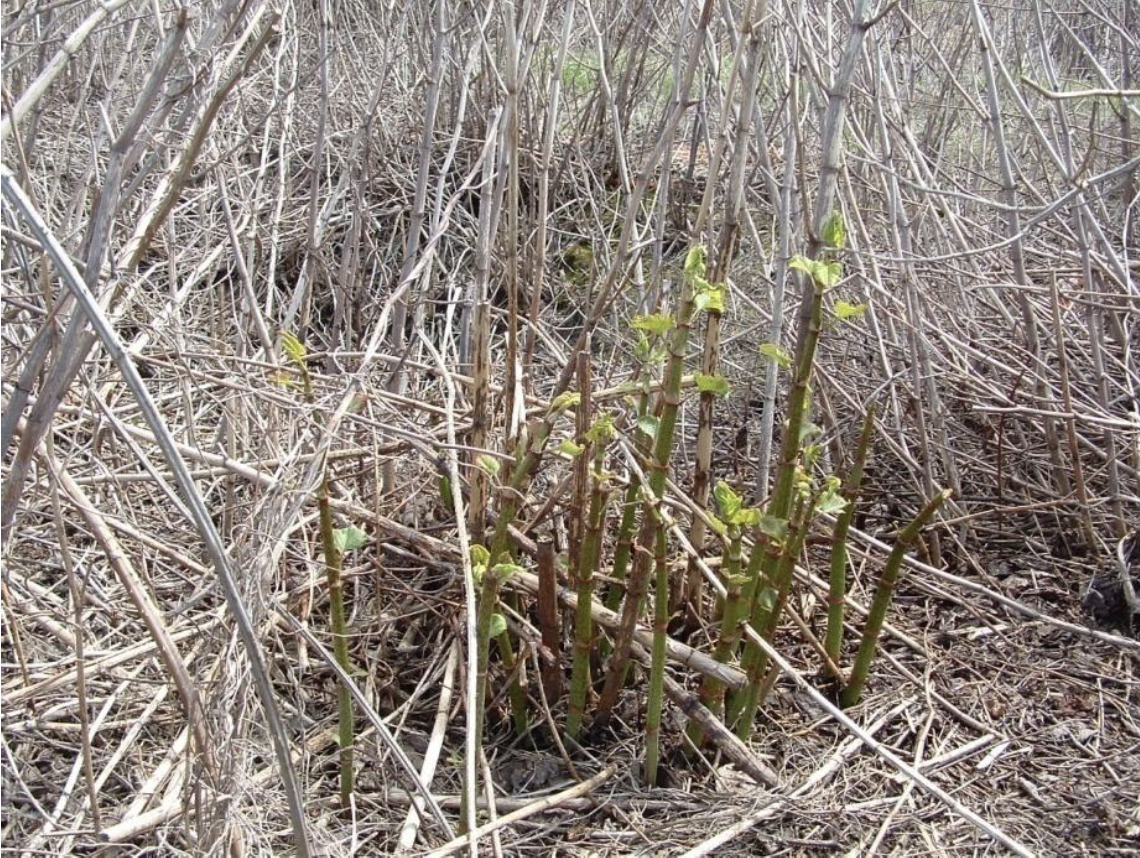
Red-Purple Shoots
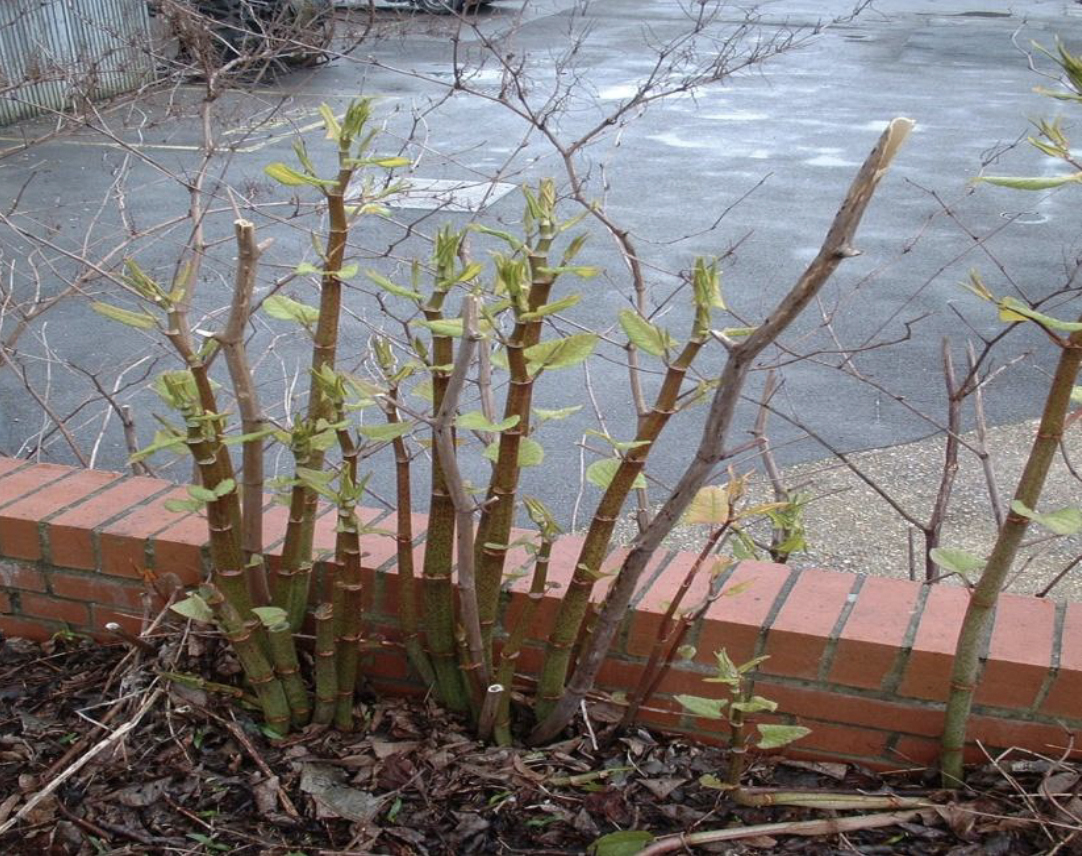
Hollow Stems
As we welcome the arrival of spring across the UK, gardens are bursting into life with new growth and vibrant colours. However, this season also marks the emergence of one of Britain's most problematic invasive plants – Japanese Knotweed.
At Elcot Environmental, we understand that early identification is your best defence against this resilient plant, potentially saving you thousands in property damage and treatment costs.
What to Look For: Early Signs of Japanese Knotweed
Japanese Knotweed (Fallopia japonica) has a distinctive growth pattern in spring that makes it identifiable to the trained eye. Here’s what to watch for:
One of the earliest and most recognisable signs is the appearance of red-purple shoots emerging from the ground. These asparagus-like spears can grow at an astonishing rate – up to 10cm per day in ideal conditions.
Unfurling Leaves
As the shoots develop, they unfurl to reveal heart or shield-shaped leaves with a distinctive zigzag growth pattern along the stems. Young leaves often have a reddish tint along the edges before turning fully green.
Rapid Growth
By late April into May, the plant begins its impressive growth spurt. What started as small shoots can quickly develop into substantial growth, heading toward its summer height of 2-3 metres.
As the plant matures, it develops hollow stems with distinctive purple speckles, similar in appearance to bamboo but with nodes where leaves emerge.
Why Early Spring Identification Matters
Identifying Japanese Knotweed in spring provides several crucial advantages:
1. Less Established Root System: Earlier treatment means tackling a less established rhizome network, potentially reducing treatment time.
2. Prevent Property Damage: Early intervention can stop the plant from causing structural damage to buildings, drains, and paved areas.
3. More Cost-Effective Treatment: Addressing smaller infestations typically requires less intensive treatment, saving you money in the long run.
4. Legal Protection: Early identification helps you fulfil your legal responsibility to prevent the spread of this controlled species.
Common Confusion: Plants That Look Like Japanese Knotweed
Spring is also when several harmless native plants emerge that are frequently mistaken for Japanese Knotweed:
– Bindweed: Similar heart-shaped leaves but with a climbing habit and white trumpet flowers
– Dogwood: Red stems but with opposite rather than alternate leaves
– Russian Vine: Similar growth habit but with smaller leaves and white flowers
– Lilac: Young shoots can look similar but grows as a woody shrub
If you’re unsure, it’s always best to seek expert identification rather than risk either unnecessary worry or overlooking a genuine infestation.
Bamboo: The UK’s Emerging Invasive Threat
While Japanese Knotweed often dominates discussions about invasive plants, bamboo is rapidly becoming another significant concern for UK property owners. At Elcot Environmental, we’re increasingly called to address bamboo-related issues alongside knotweed management.
Why Bamboo Poses a Problem
Bamboo, particularly the running varieties, can spread aggressively through underground rhizomes, similar to Japanese Knotweed. In spring, new bamboo culms (stems) emerge and can quickly establish themselves, potentially:
– Spreading beneath fences into neighbouring properties
– Damaging building foundations, drains, and patios
– Creating boundary disputes between neighbours
– Reducing property values and complicating sales
Identifying Problematic Bamboo
Running bamboo varieties show several warning signs in spring:
– New shoots emerging several metres from the original planting
– Rapid vertical growth of new culms
– Spread that seems to ignore barriers such as garden walls
– New shoots breaking through hard landscaping
Bamboo Management Solutions
Elcot Environmental applies our invasive plant expertise to bamboo control with:
– Root barrier installation to prevent spread
– Excavation and removal of rhizome systems
– Targeted herbicide treatments where appropriate
– Management plans for containing existing bamboo
Don’t let bamboo become your next property headache. Our team can assess any bamboo on your property and provide expert guidance on whether it poses a risk and what steps should be taken.
Taking Action: What to Do If You Spot Japanese Knotweed
If you suspect Japanese Knotweed on your property:
1. Take Clear Photographs: Capture images of the stems, leaves, and overall growth pattern
2. Note the Location: Document exactly where on your property you’ve spotted the growth
3. Don’t Disturb It: Improper removal attempts can spread the plant further
4. Seek Professional Identification: Contact specialists like Elcot Environmental for confirmation
How Elcot Environmental Can Help
At Elcot Environmental, we specialise in the identification, treatment and management of Japanese Knotweed throughout the UK. Our team of experts offers:
– Free identification surveys
– PCA-accredited treatment plans
– Insurance-backed guarantees
– Comprehensive management strategies tailored to your specific situation
Think you’ve spotted Knotweed on your property?
Don’t wait until it becomes a larger problem. Spring is the ideal time to identify and begin treatment of Japanese Knotweed. Contact us today for a free identification survey and take the first step toward protecting your property.
Call us on 01962 886210 or complete our online contact form to arrange your free survey.
Remember, when it comes to Japanese Knotweed, early identification leads to more effective management. Let Elcot Environmental provide you with the expert guidance and support you need this spring.
Get a quote
Request a quote for Residential Knotweed Removal - Serving Your Local Area